

Are you wondering why health information management (often called HIM) is such a hot career choice right now? If you’re looking for a job that mixes healthcare, technology, and data — without needing to work directly with patients every day — HIM could be perfect for you.
This easy-to-read guide breaks down everything: what health information management really is, why it matters so much in today’s healthcare world, the amazing benefits, required skills, salary details, job growth, and how to get started. Whether you’re a student, career changer, or just curious about HIM careers, you’ll find clear answers here. Let’s dive in!

What Is Health Information Management?
Health information management is the practice of collecting, organizing, analyzing, and protecting patient health data — both digital and paper-based. Think of it as the backbone of modern healthcare.
HIM professionals make sure doctors, nurses, and hospitals have accurate, secure information when they need it. This includes:
- Electronic health records (EHRs)
- Medical coding for billing and insurance
- Data privacy and security (following HIPAA rules)
- Analyzing trends to improve patient care
It’s a perfect blend of business, science, and information technology. As one expert source puts it, HIM professionals ensure patient information is “complete, accurate, and protected” at every step of care.
In simple terms: Without good health information management, hospitals would struggle with errors, delays, and even safety risks. HIM turns raw data into useful knowledge that saves lives and money.

Why Is Health Information Management So Important in Healthcare?
Modern healthcare runs on data. With electronic records exploding in use and an aging population needing more care, why health information management matters more than ever. Here are the big reasons:
- Better Patient Care: Accurate records mean doctors see allergies, past treatments, and test results instantly. This reduces mistakes and helps patients get the right treatment faster.
- Fewer Medical Errors: Good data management catches problems early — like duplicate tests or wrong medications.
- Compliance and Privacy: HIM teams keep data safe and follow strict laws like HIPAA, protecting patients from breaches.
- Cost Savings and Efficiency: Hospitals save money by avoiding waste and streamlining billing.
- Research and Innovation: Analyzed data helps discover new treatments and improve public health programs.
In short, health information management is the invisible hero behind smoother hospitals, safer patients, and smarter healthcare decisions. Without it, the entire system would slow down.

Clinical Informatics Specialist: Job Description and Guide
Key Benefits of a Career in Health Information Management
Choosing HIM as a career comes with tons of perks. Here’s why thousands of people love this field:
- High Job Security: Healthcare never stops growing. You’ll have stable work even during tough times.
- Great Salaries: Entry-level roles start strong, and managers earn even more (more on salaries below).
- Flexible Work Options: Many jobs allow remote or hybrid work since much is done on computers.
- Make a Real Impact: You help patients indirectly by making sure their data works perfectly for doctors.
- Variety of Roles: Work in hospitals, clinics, insurance companies, government, or even tech firms building health apps.
- Work-Life Balance: Less stress than direct patient care roles, with regular hours in most positions.
- Fast Growth Opportunities: Quick promotions into leadership with experience and certifications.
People often say health information management gives the best of both worlds: meaningful healthcare work plus tech skills that are in huge demand.
Essential Skills You Need for Health Information Management Success
You don’t need to be a doctor or computer genius to succeed in HIM. Focus on building these key skills:
- Attention to Detail: One wrong code or missing record can cause big problems.
- Analytical Thinking: Turning data into useful insights for better decisions.
- Communication: Explaining complex info clearly to doctors, nurses, and teams.
- Technical Knowledge: Working with EHR systems, coding software, and data tools.
- Compliance Mindset: Understanding privacy laws and regulations.
- Teamwork and Project Management: Coordinating with many departments.
These skills are easy to learn through classes and real-world practice. Many programs include hands-on training with actual health software.

Educational Paths and Certifications in Health Information Management
Getting into health information management is straightforward:
- Associate Degree (2 years): Great starting point for entry-level jobs like medical records technician.
- Bachelor’s Degree (4 years): Opens doors to better pay and management roles.
- Master’s Degree: For leadership or specialized positions in health informatics.
Popular certifications include:
- RHIA (Registered Health Information Administrator)
- RHIT (Registered Health Information Technician)
- CCS (Certified Coding Specialist)
These credentials boost your resume and salary fast. Many online programs make it easy to study while working.
Job Outlook and Salary for Health Information Management Professionals
The numbers look excellent for anyone considering why health information management now:
According to the U.S. Bureau of Labor Statistics (BLS):
- Health Information Technologists and Medical Registrars are projected to grow 15% from 2024 to 2034 — much faster than average.
- Median salary: $67,310 per year (as of 2024 data).
- Related roles like Medical and Health Services Managers grow even faster at 23%, with median pay around $117,960.
Entry-level positions often start at $45,000–$60,000, while experienced managers or specialists can earn $100,000+. Salaries are higher in big cities or with certifications. The demand comes from more electronic records, data analytics needs, and new healthcare laws.
The Future of Health Information Management: Exciting Trends Ahead
HIM is evolving fast with technology:
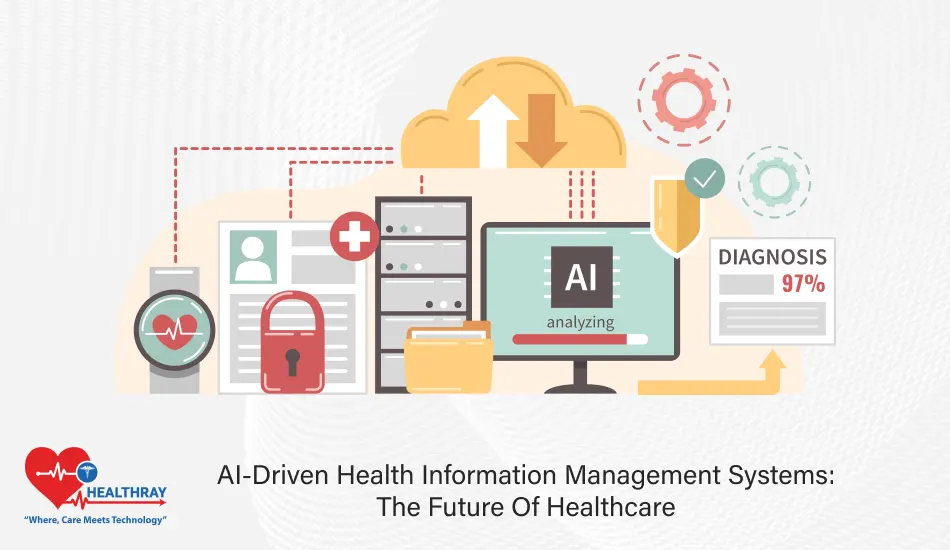
- AI and Automation: Smart systems that flag errors or predict health trends.
- Big Data Analytics: Using information to personalize medicine.
- Telehealth Integration: Managing remote patient data securely.
- Cybersecurity Focus: Protecting records from hacking as threats grow.
By 2030 and beyond, health information management professionals who know AI and data science will be in even higher demand. The field keeps getting more interesting and valuable.
How to Get Started in Health Information Management Today
Ready to take the first step?
- Research accredited HIM programs (many are online and flexible).
- Gain basic computer and medical terminology knowledge.
- Volunteer or shadow at a hospital records department.
- Aim for an entry-level job or internship while studying.
- Get certified as soon as possible — it pays off quickly.
Whether you want a stable office job or a role shaping the future of healthcare tech, health information management offers a clear path.
Final Thoughts: Is Health Information Management Right for You?
Why health information management? Because it combines purpose, growth, technology, and excellent pay in one rewarding field. You’ll help real people get better care while building a future-proof career that’s always in demand.
If you love organizing information, solving problems, and working behind the scenes to improve healthcare, this could be your perfect match. The opportunities in HIM careers, health data management, and health informatics are only getting bigger.
Start exploring programs today — your future in health information management is waiting! Have questions about salaries, schools, or daily life in HIM?