
Women’s mental health is important, and many people focus on it during certain times of the year. The main period for this is May, when it overlaps with Mental Health Awareness Month and Women’s Health Month. These observances help highlight the unique challenges women face, like higher rates of anxiety, depression, and issues related to pregnancy or hormones.
It is widely accepted that May is all about raising awareness around mental health for women. Organizations such as NAMI, Mental Health America, and the Office on Women’s Health take this time to share resources and encourage open conversations. In the year 2026, Mental Health Awareness Month is from May 1 through May 31, while Women’s Health Month is also during this same time. So it’s a natural fit for May to be the time to discuss women’s mental health.
Why Is May an Important Month for Women’s Mental Health?
Mental Health Awareness Month has been observed in May since 1949, when it was established by Mental Health America. Its purpose is to raise awareness, reduce stigma, and encourage help-seeking for anyone experiencing mental health issues. And since women, for example, tend to experience conditions such as depression and anxiety at higher rates, May becomes a crucial time to highlight these specifically.
May is also Women’s Health Month, when we focus on physical and emotional health. They make space to discuss postpartum hard stuff, stress splintering from balancing work and family, and the hormonal effects on mood. There’s not an “official” day or month specifically from the government about women’s mental health, but the most common time clinics/doctors/groups address this topic is in May.
March (Women’s History Month) does come up for women’s mental health in some places, but it seems that May has much stronger ties via the larger awareness events. For instance, Maternal Mental Health Awareness Week typically occurs early in May (May 4-10 in 2026), and World Maternal Mental Health Day is often on May 6.
This timing helps shed light on real problems. According to health reports, women are almost twice as likely to have depression or anxiety as men. Life changes, caregiving, and societal pressures only compound this. May is awareness month, and it promotes seeking help as early as possible and that seeking support is both regular and powerful.
Key Dates to Know in May 2026
Here are the main events happening in May that connect to women’s mental health:
- Mental Health Awareness Month—Full month: May 1–3 1. The theme often focuses on community and reducing silence around struggles.
- Women’s Health Month—Full month: May 1–31. Encourages check-ups and self-care for all aspects of health.
- Maternal Mental Health Awareness Week—Early May, likely May 4–10. Highlights support for new mothers and families.
- World Maternal Mental Health Day—Around May 6 (first Wednesday or similar).
- National Women’s Health Week—Mid-May, probably May 10–16. Starts near Mother’s Day and promotes wellness.
- National Children’s Mental Health Awareness Day—May 7. Links to family mental health.
These dates build a strong focus throughout May. Events include online talks, social media campaigns, and local meetups to share stories and resources.
Why Focus on Women’s Mental Health?
Women face specific mental health challenges that deserve attention. Hormonal shifts during periods, pregnancy, postpartum, and menopause can affect mood. Everyday stresses like caregiving, work demands, and discrimination can make things harder.
Common issues include:
- Anxiety and depression are more frequent in women.
- Postpartum depression affects many new mothers, sometimes starting during pregnancy.
- PMDD—severe premenstrual mood changes.
- Burnout from multiple roles.
Without support, these can impact daily life, relationships, and even physical health. The good part is that talking about them helps. Awareness reduces shame, making it easier to reach out for therapy, counseling, or simple lifestyle changes.
May is a reminder that mental health matters just as much as physical health. Early steps like talking to a friend or a professional can make a big difference. Many women find strength in community support groups or online resources.
Easy Ways to Take Part and Support
You don’t need big actions to join in. Here are simple ideas for May and beyond:
- Practice self-care—take short breaks for walks, reading, or relaxing music. Even 10 minutes helps calm the mind.

- Check on others—ask women in your life how they’re doing. A kind message can open up important talks.
- Share positively—post encouraging messages on social media. Use hashtags like #MentalHealthAwareness to spread kindness.
- Learn more—read from trusted sites like NAMI.org, MentalHealthAmerica.net, or womenshealth.gov. They have free tips and stories.
- Seek help if needed—if feeling low, worried, or overwhelmed lasts, talk to a doctor or call a hotline (like 988 in many places). It’s a brave step.
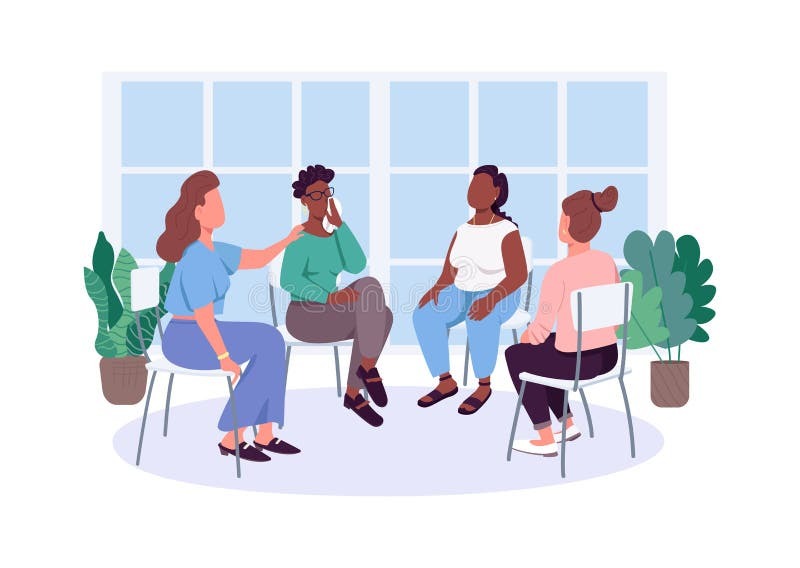
- Support groups—Join or start small discussions with friends or online communities focused on well-being.
These small things build better habits. May is a great start, but caring for mental health is year-round.
Wrapping It Up
May is the key time for focusing on women’s mental health through Mental Health Awareness Month and related events. It reminds us to listen, support, and take care of ourselves and each other.
Mental health is part of overall health. It’s okay to have tough days, and it’s okay to ask for help. By staying aware and kind, we create a world where everyone feels supported.
If you’re struggling or know someone who is, reach out today. Resources are available, and things can get better. Take one small step—it matters.