Starting a weight loss journey is less about a single dramatic change and more about a thousand small choices that add up over weeks and months. This article lays out practical, evidence-based steps you can adapt to your life, not a one-size-fits-all program. Read on to discover mindset shifts, nutrition basics, exercise strategies, daily habits, and troubleshooting tactics that make steady progress more likely and sustainable.
Begin with a clear, flexible mindset
Success begins in the head: a stubborn, inflexible mindset often trips people up long before nutrition or exercise do. Instead of an all-or-nothing approach, aim for consistency and curiosity—track what works and what doesn’t without beating yourself up for setbacks.
Set goals that are concrete and short-term as well as aspirational. For example, choose a target like “walk 30 minutes five days this week” or “add one vegetable to two meals daily” so you can check off wins frequently and build confidence.
Remember that weight loss is not only about numbers on a scale; changes in energy, sleep quality, clothing fit, and mood are meaningful signals of progress. Use a few performance and wellbeing markers alongside weight to get a fuller picture of how changes are affecting your life.
When you need motivation, focus less on guilt and more on identity: ask yourself what kind of person you want to be—someone who moves regularly, prepares nourishing meals, and recovers well—and then act in ways that align with that identity.
Understand nutrition fundamentals before you nitpick
Food quality matters, but the simplest driver of weight change is the balance between calories consumed and calories expended over time. Getting familiar with portion sizes, energy density, and how different foods affect hunger will make your choices easier and more effective.
Protein, fiber, and water-rich foods are your allies because they keep you full on fewer calories. Prioritize lean protein sources, a variety of vegetables, legumes, whole grains in moderation, and foods that satisfy without encouraging overeating.
Here’s a concise look at calorie density to help you choose wisely. Foods with lower calorie density allow you to eat satisfying portions while consuming fewer calories overall.
| Food type | Typical calorie density (kcal per 100 g) | Effect on satiety |
|---|---|---|
| Leafy vegetables | 10–25 | Very high – fills stomach for low calories |
| Lean protein (chicken, fish, tofu) | 80–150 | High – supports muscle and satiety |
| Whole grains | 110–160 | Moderate – sustained energy when paired with protein |
| Nuts and seeds | 500–600 | Low to moderate – nutrient-dense but calorie-rich |
| Oils, butter, dressings | 800–900 | Low – tiny amounts add many calories |
That table isn’t a prescription, but a tool. Use it to shift plate composition toward lower-calorie-density foods while keeping enough protein and healthy fats to feel satisfied.
Portion control is simpler when you plan meals and keep tempting high-calorie items less accessible. Small environmental changes—clearer pantry organization, smaller plates, and pre-portioned snacks—reduce decision fatigue and prevent accidental overeating.
Portion control techniques that actually work
One practical practice is to plate meals deliberately: half your plate vegetables, one-quarter protein, and one-quarter starch or grain. That visual layout simplifies portions and encourages variety without counting every calorie.
Measure once or twice a week to calibrate your hand-eye estimates. Use a kitchen scale or measuring cups for a few meals until you can eyeball reasonable portions with confidence.
Another low-effort method is batch cooking and portioning into containers. Single-serve meals in the fridge make it easy to reach for a sensible option when time is limited or energy is low.
Meal timing and consistency: what matters
Strict meal timing—like intermittent fasting—can help some people mainly because it reduces opportunities to eat, not because of a mystical metabolic boost. Choose a pattern that fits your life and social schedule.
Aiming for regular meal spacing prevents extremes of hunger and subsequent overeating. If you find yourself ravenous by mid-afternoon, a protein-rich snack after lunch can smooth energy and reduce impulsive choices later.
Hydration is deceptively important. People sometimes confuse mild thirst for hunger, so keeping water accessible and sipping throughout the day can cut down on unnecessary snacking.
Build an exercise routine that supports fat loss and strength

Moving more is a simple multiplier for weight loss efforts: exercise increases calorie burn, preserves muscle, and improves mood and sleep. The best routine is the one you enjoy enough to keep doing.
Balance cardiovascular work with strength training. Cardio burns calories in the moment, while resistance training builds or preserves muscle which supports a higher resting metabolic rate.
Vary intensity. Steady-state workouts are sustainable and excellent for building baseline fitness, while short bursts of higher intensity can increase post-exercise calorie burn and offer time-efficient sessions.
Here’s a short list of effective session types to rotate through: walking or hiking, cycling, resistance circuits, bodyweight strength sessions, and high-intensity interval training (HIIT). Mixing types keeps boredom away and reduces injury risk.
Listen to recovery signals. Rest days are where adaptation happens, so schedule low-intensity movement or mobility work on recovery days rather than forcing heavy workouts back-to-back.
Strength training specifics for steady progress
Prioritize compound movements—squats, deadlifts, presses, rows—because they recruit large muscle groups and deliver the most bang for your time. Beginners can make meaningful progress with 2–4 sessions per week.
Progressive overload—gradually increasing weight, reps, or sets—is the practical principle that drives strength gains. Track small increments to ensure consistent improvements without overreaching.
Don’t ignore form for the sake of loading weight. Good technique reduces injury risk and targets the intended muscles more effectively, producing better long-term returns on effort.
Cardio, NEAT, and the silent calories
Non-exercise activity thermogenesis (NEAT) includes all the calories you burn through daily movements—walking the dog, taking stairs, fidgeting. Small increases in NEAT can meaningfully boost daily calorie expenditure without formal workouts.
Cardio sessions—whether brisk walking, cycling, or swimming—support cardiovascular health and contribute to calorie balance. Schedule what you enjoy: consistency beats intensity for many people.
Use practical nudges to increase NEAT: a standing desk, short walking breaks every hour, household chores, and brief active play with kids or pets. These add up and keep you moving on low-effort days.
Adopt practical daily habits that stack over time
Daily rituals anchor behavior changes. Create a few repeatable, simple habits that reduce decision fatigue and make the healthier choice automatic, such as prepping lunches on Sundays or keeping a water bottle at your desk.
Sleep influences hunger hormones and recovery. Aim for 7–9 hours most nights; consistent sleep patterns help regulate appetite and energy for workouts and meal planning.
Mindful eating—slowing down, chewing well, and removing distractions—helps you recognize fullness cues and enjoy food more. That habit reduces the chance of overeating because you notice satisfaction earlier.
Here are a few morning-to-night practices that are easy to implement and durable.
- Start with a glass of water and a quick stretch to prime the day.
- Prepare a balanced lunch so you avoid fast food on busy afternoons.
- Schedule a consistent workout window as part of your day—treat it like an appointment.
- End the evening by planning one healthy breakfast or snack for the next day.
Small repeated acts compound. A tidy set of daily habits reduces stress and increases the odds you’ll make choices aligned with your goals even when life gets complicated.
Strategies for cravings and emotional eating

Cravings often have causes beyond pure hunger—stress, fatigue, boredom, and habit loops can provoke them. The first step is noticing the trigger rather than responding automatically.
If a craving is emotional, pause and try a quick alternative: a five-minute walk, a phone call, or a breathing exercise. Often the urge subsides when it’s acknowledged and not acted upon immediately.
Allowing occasional treats in planned ways prevents the “forbidden fruit” effect that can make a single lapse derail momentum. Decide ahead of time what indulgences are worth it, and enjoy them without guilt.
Pre-portioning treat servings helps too. If you love ice cream, put a portion in a bowl rather than eating straight from the container; the act of portioning creates a natural stopping point.
Track progress wisely and adjust
Tracking provides feedback so you can tweak behavior rather than guessing why results stalled. Use a few simple metrics: body weight trend, waist measurement, strength/performance markers, and how clothes fit.
A weekly or biweekly weigh-in is more informative than daily fluctuations. Weight varies with water balance and food volume, so look at a 2–4 week trend instead of obsessing over yesterday’s number.
Keep a short log of food and activity for a few weeks whenever you start a new plan; that snapshot often reveals easy wins—hidden calories, irregular meal timing, or underappreciated snacks.
Here’s a compact example of useful weekly tracking categories to capture a balanced view of progress.
| Metric | Why it matters | Frequency |
|---|---|---|
| Body weight | Shows energy balance trend | Weekly |
| Waist measurement | Tracks fat loss independent of muscle changes | Biweekly |
| Workout performance | Indicates strength and fitness improvements | Per session |
| Sleep quality and mood | Reflects recovery and sustainability | Weekly |
Common mistakes and how to avoid them
Many people try extreme diets or rely solely on exercise, hoping caloric restriction or cardio alone will do the job. These approaches can backfire by being unsustainable or causing muscle loss and fatigue.
Another common error is chasing perfection instead of progress, which turns manageable plans into punitive rules. Give yourself permission to be human: consistent, imperfect effort yields results over months.
Watch out for underestimating liquid calories and condiments; drinks, sauces, and oils add up quickly. A few mindful swaps—black coffee or tea instead of sweetened drinks, vinaigrette on the side—can save significant calories each week.
Finally, don’t ignore chronic stress or sleep debt. They make hunger hormones misbehave and sap motivation, so addressing them is as important as changing meals or workouts.
Maintain momentum through plateaus and life changes
Plateaus are normal. If weight stalls, review the basics first: portions, activity, sleep, and stress. Tweaking one or two variables—adding resistance training, increasing NEAT, or trimming liquid calories—usually restarts progress.
When life gets busy (a new job, a child, travel), focus on preserving key habits rather than dramatic improvements. Short, intense workouts, simple meal templates, and planning ahead will keep you moving forward without burning out.
Shifts in goals are okay; as your fitness improves, your priorities might change from losing weight to gaining strength or improving mobility. Let your plan evolve and celebrate non-scale achievements along the way.
For long-term maintenance, transition from a calorie-deficit mindset to a sustainable eating pattern that allows flexibility. Gradual increases in calories with attention to activity levels help prevent rapid regain.
When to seek professional help
Sometimes self-guided strategies hit limits. If you have complex medical conditions, significant weight to lose, or suspect an eating disorder, consult a physician, registered dietitian, or mental health professional who specializes in weight management.
A registered dietitian can create personalized meal plans that account for preferences, restrictions, and metabolic needs, while a trainer can design a safe and effective exercise progression. Working with professionals is especially helpful when results stall despite disciplined efforts.
Use professional help as a tool, not a last resort. Early guidance can save months of frustration and deliver safer, more sustainable outcomes than trial-and-error alone.
Real-life examples: what steady change looks like
I coached a friend through a six-month plan where the primary changes were increasing protein at every meal and adding two 30-minute strength sessions weekly. He lost 18 pounds and reported better posture and energy, largely because he enjoyed the workouts and the meals were satisfying.
Another client found success by rearranging her week: meal prepping twice on weekends and scheduling daily 20-minute walks. The simplicity of those adjustments kept her consistent, and weight came off steadily as habits accumulated.
These examples show that big transformations often start with small, repeatable actions. Pick a manageable set of changes, measure results, and iterate—consistency trumps intensity in the long run.
Practical quick-reference checklist
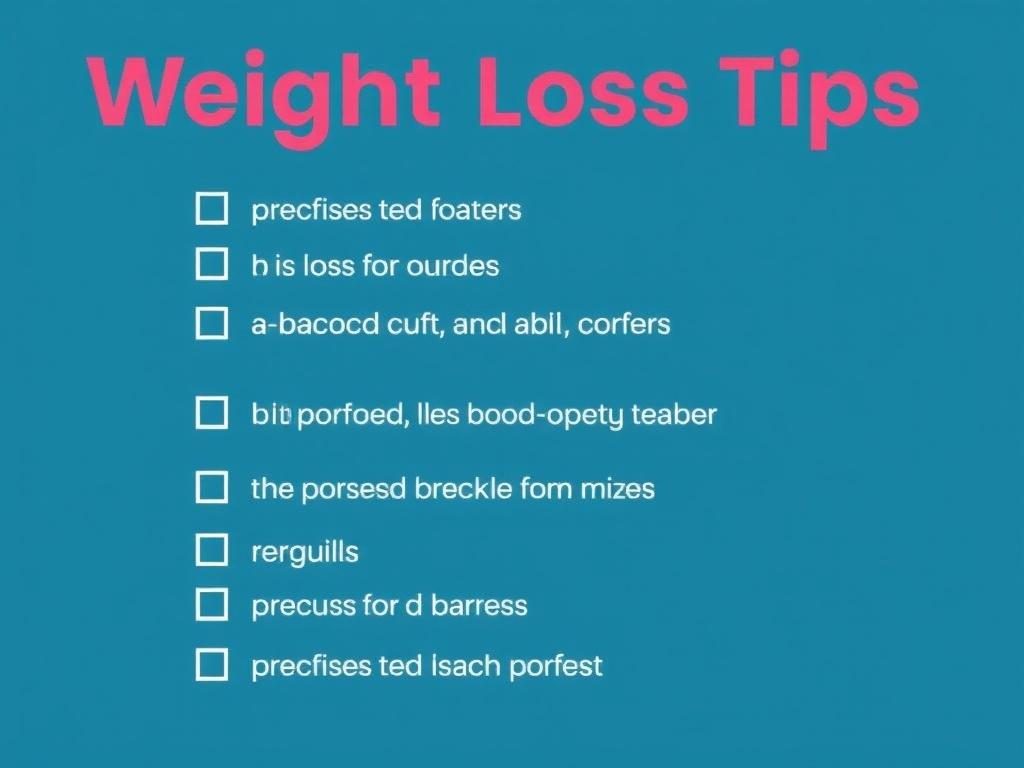
Here’s a single-page checklist to use when you need a quick reset: set a specific short-term goal, plan three balanced meals, schedule two strength sessions and three walks, hydrate consistently, and log one week of food to check hidden calories.
- Set a 2–4 week attainable goal
- Prioritize protein and vegetables at meals
- Move daily — combine structured workouts with NEAT
- Sleep 7–9 hours and manage stress
- Track progress with weight, measurements, and performance
Checking these items weekly makes it easier to spot drifting behaviors and correct course before small habits become setbacks.
Final thoughts and an invitation to experiment
There’s no perfect path; what matters is finding a set of practices you can live with for months and years. Think of this as a personal experiment: try changes, measure effects, and refine the approach so it fits your life.
Use the weight loss tips in this article as a menu rather than a mandate—pick the elements that feel doable and aligned with your preferences, then build slowly. Small wins compound into major change when you stay consistent.
If you adapt these ideas into your routine, you’ll likely discover what works for you and what doesn’t. Keep experimenting with curiosity, celebrate progress, and give yourself patience—lasting change is a marathon, not a sprint.