
Scalp health tips The scalp is living skin equipped with thousands of hair follicles, sebaceous glands, and blood vessels. Each follicle generates hair in a cycle of growth, rest, and shedding. When the scalp is healthy—balanced in moisture, free from buildup, and well-circulated—the follicles operate efficiently; hair appears thicker, grows faster, and doesn’t break easily.
An unhealthy scalp disturbs this equilibrium. Too much sebum can block the pores, resulting in folliculitis or acne-like bumps. Dryness leads to flaking and irritation, while inflammation from conditions like psoriasis or seborrheic dermatitis can activate hair loss. Environmental factors (pollution, sun exposure, hard water), styling products, stress and diet all have an effect on the scalp microbiome — the community of copper-stomached bacteria and fungi that keep it balanced.
Scalp care is not just cosmetic — it’s preventive. This helps promote a clean, hydrated scalp with fewer chronically inflamed areas that will help keep hair healthier longer,—leading to longer retention of the hair. Dermatologists and trichologists (hair- and scalp-related specialists) advise treating the scalp as skin, similar to that of the face: Cleanse gently, exfoliate when necessary, moisturize if needed and protect daily.
Understanding Your Scalp Type: The First Step to Better Care
Before applying any scalp health tips, identify your scalp type. This determines product choices and frequency of care.
- Oily Scalp: Produces excess sebum, feels greasy quickly (within a day), and may have shiny appearance or acne-like bumps. Wash more frequently (every 1-2 days) with clarifying or balancing shampoos.
- Dry Scalp: Feels tight, itchy, or flaky. Often due to low sebum, cold weather, or harsh products. Wash less often (2-3 times weekly) and focus on hydration.
- Sensitive Scalp: Reacts with redness, itching, or burning to products, dyes, or fragrances. Opt for fragrance-free, sulfate-free, gentle formulas.
- Normal/Balanced Scalp: Neither too oily nor dry; comfortable most days. Maintain with moderate washing and occasional treatments.
- Combination: Oily at roots, dry at ends—common in longer hair.
Observe your scalp after 24-48 hours without washing. Note flaking, oiliness, itchiness, or tightness. If unsure, consult a dermatologist for accurate diagnosis, especially if symptoms persist.
Daily Scalp Health Tips for Long-Term Balance
Incorporate these habits into your routine for consistent results.
Gentle Cleansing Routine: Move away from a fixed schedule and wash your hair according to your scalp’s needs. For oily scalps: Daily or every other day shampoo. If you have dry or curly hair, every 2-4 days or as needed is better. Always use shampoo at the scalp (not just lengths) and gently massage it into the hair to dislodge dirt, product buildup, dead skin, and excess oil without stripping natural moisture. Use lukewarm water — hot water can dry out the scalp and over-stimulate excess oil-producing glands. Rinse thoroughly to prevent residue.
Scalp Massage for Circulation and Relaxation
Daily scalp massage is one of the simplest yet most powerful scalp health tips. It boosts blood flow to follicles, delivers oxygen and nutrients, removes dead skin, and reduces tension.
How to do it: Use fingertips (or a silicone scalp massager) in small circular motions with light-to-medium pressure. Spend 3-5 minutes daily, either dry or during shampooing/conditioning. You can do it while watching TV or before bed.
Benefits include potentially thicker hair strands over time, stress relief (which indirectly supports hair growth by lowering cortisol), and better product absorption.
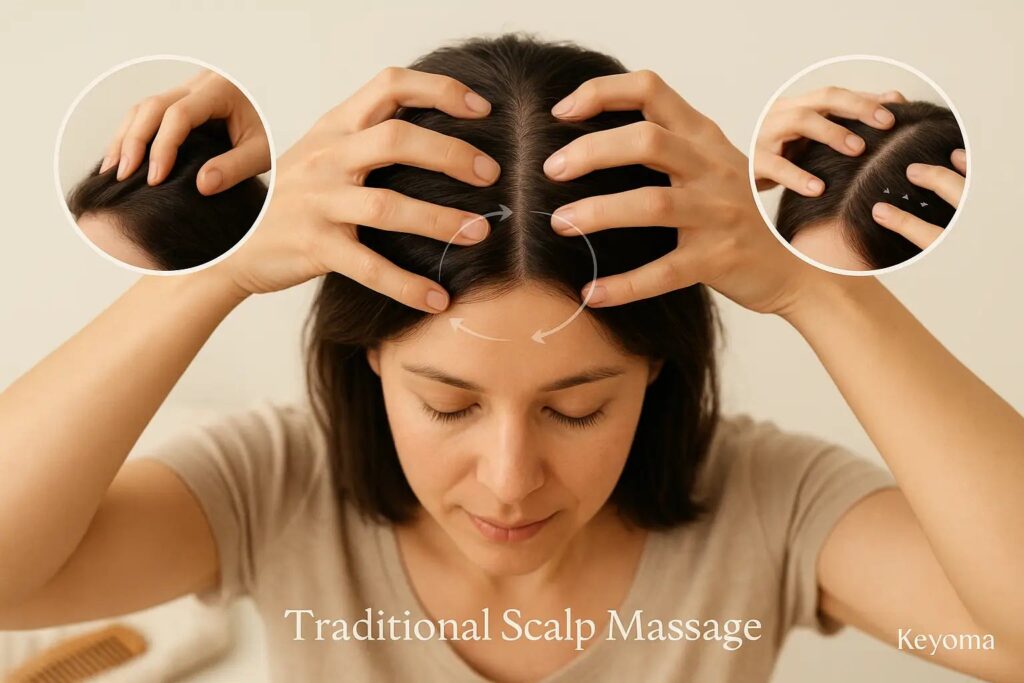
Scalp Massage Techniques: What Helps Hair Growth
Brushing and Detangling: Brush regularly with a wide-tooth comb or soft-bristle brush to distribute natural oils and prevent tangles. Start from the ends and work upward. Avoid aggressive brushing on wet hair, as it’s more fragile.
Hydration from Within and Outside Drink plenty of water (at least 2-3 liters daily) to keep the scalp hydrated internally. Externally, use leave-in conditioners or scalp serums with humectants like glycerin, hyaluronic acid, or panthenol for dry scalps.
Avoid Tight Hairstyles and Heat Damage. High-tension styles (tight ponytails, braids) pull on follicles and can cause traction alopecia. Limit heat tools; when using, apply protectant and use low-medium heat.
Weekly Scalp Care Routine: Deep Cleansing and Treatments
Build a weekly ritual for deeper maintenance.
- Exfoliation: Once a week, use a scalp scrub, brush, or chemical exfoliant (with salicylic acid) to remove buildup. This prevents clogged follicles and flaking. Gentle silicone brushes work well for sensitive scalps.
Amazon.com Straand Exfoliating Scalp Brush – Scalp Massager that Helps Increase Hair Growth and Stimulates Hair Follicles – Silicone Brush & Scrubber for Product Build-Up – Vegan and Cruelty-Free: Beauty
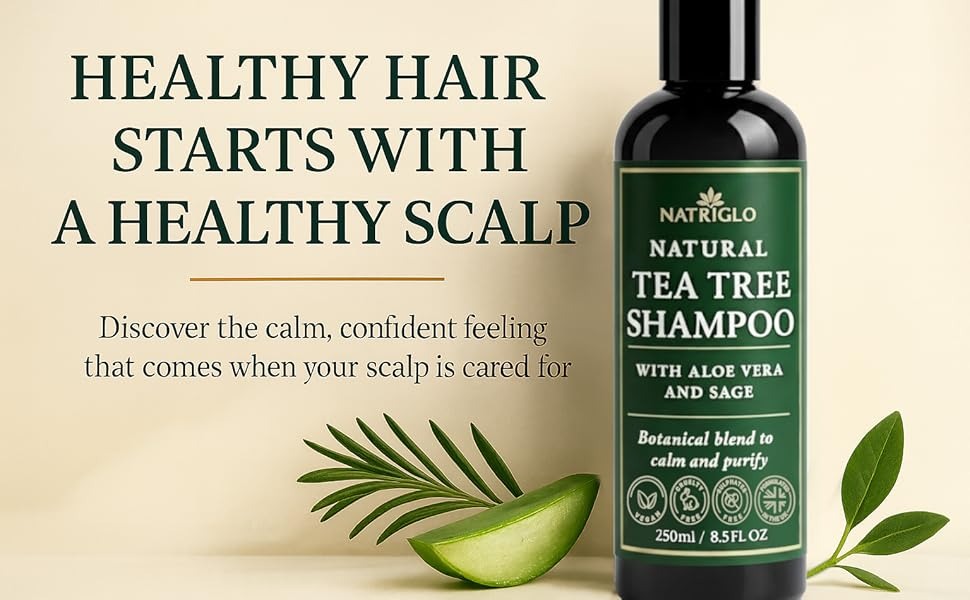
- Mask or Treatment: Apply a nourishing scalp mask 1-2 times weekly. Ingredients like aloe vera soothe irritation, tea tree oil fights microbes, and coconut or jojoba oil moisturizes without heaviness (use sparingly on oily scalps).
- Clarifying Wash: Use a clarifying shampoo monthly or as needed to remove heavy product residue, especially if you use styling products often.
- Apple Cider Vinegar Rinse: Dilute 1-2 tablespoons in water for a final rinse. It balances pH, removes buildup, and adds shine. Not daily—start once weekly.
Avoid leaving hair wet for long periods, as damp scalps breed bacteria. Air-dry when possible or use low heat.
Natural Ingredients and Products for Optimal Scalp Health
Choose products tailored to your needs and incorporate these proven ingredients:
- Tea Tree Oil: Antimicrobial and anti-inflammatory; excellent for dandruff and itchiness. Use diluted in shampoo or as a spot treatment.
- Aloe Vera: Soothes, hydrates, and reduces inflammation. Great for dry or irritated scalps.
- Coconut Oil: Moisturizes and has antifungal properties, but use lightly to avoid feeding Malassezia fungus (linked to dandruff).
- Jojoba Oil: Mimics natural sebum; balances oil production.
- Rosemary, Peppermint, and Lavender Oils: Stimulate circulation and provide cooling/anti-inflammatory effects.
- Niacinamide and Panthenol: Strengthen barrier, regulate sebum, and hydrate.
- Salicylic Acid or Zinc Pyrithione: For dandruff control in medicated shampoos.
Look for sulfate-free, paraben-free, silicone-light formulas. For sensitive scalps, patch-test new products. Natural oils work best when warmed slightly and massaged in before washing.
Diet and Nutrition: Fuel Your Scalp from Inside
What you eat directly affects scalp and hair health. Focus on nutrient-dense foods:
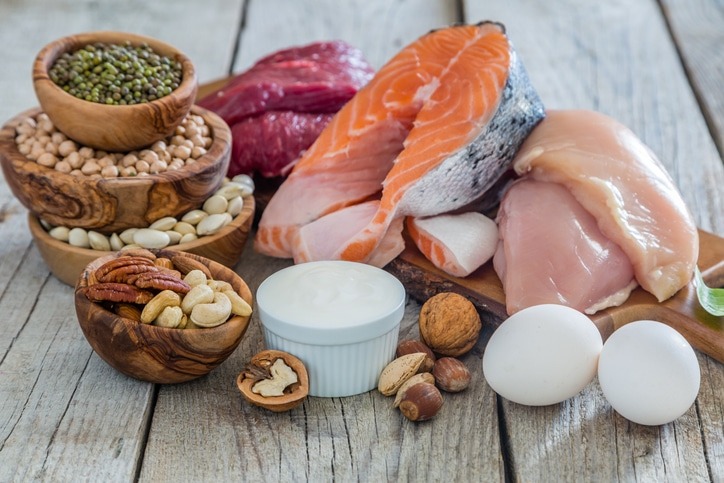
- Protein: Hair is mostly keratin (a protein). Include eggs, salmon, chicken, Greek yogurt, lentils, and nuts.
- Omega-3 Fatty Acids: Reduce inflammation and support cell membranes. Found in fatty fish (salmon), flaxseeds, chia, walnuts, and avocados.
- Vitamins:
- Vitamin A/Beta-Carotene: From carrots, sweet potatoes, spinach—promotes sebum production for moisture.
- Vitamin C: Citrus, berries, peppers—an antioxidant that aids collagen and iron absorption.
- Vitamin E: Nuts, seeds, spinach—protects against oxidative stress.
- Biotin and B Vitamins: Eggs, nuts, whole grains—support keratin production.
- Iron and Zinc: Prevent hair loss. Sources: spinach, lentils, pumpkin seeds, red meat (in moderation).
- Antioxidant-Rich Foods: Berries, leafy greens, and green tea combat free radicals that damage follicles.
A balanced Mediterranean-style diet—rich in plants, healthy fats, lean proteins—often yields the best results for hair and scalp. Consider supplements (omega-3, vitamin D, biotin) only if deficient; consult a doctor first.
Stay hydrated and limit processed sugars, excessive dairy (for some), and fried foods, which can increase inflammation or oiliness.
Common Scalp Problems and Targeted Solutions
- Dandruff/Flaky Scalp: Caused by Malassezia fungus, dry skin, or sensitivity. Use anti-dandruff shampoo with zinc pyrithione, ketoconazole, or coal tar. Exfoliate gently and avoid heavy oils.
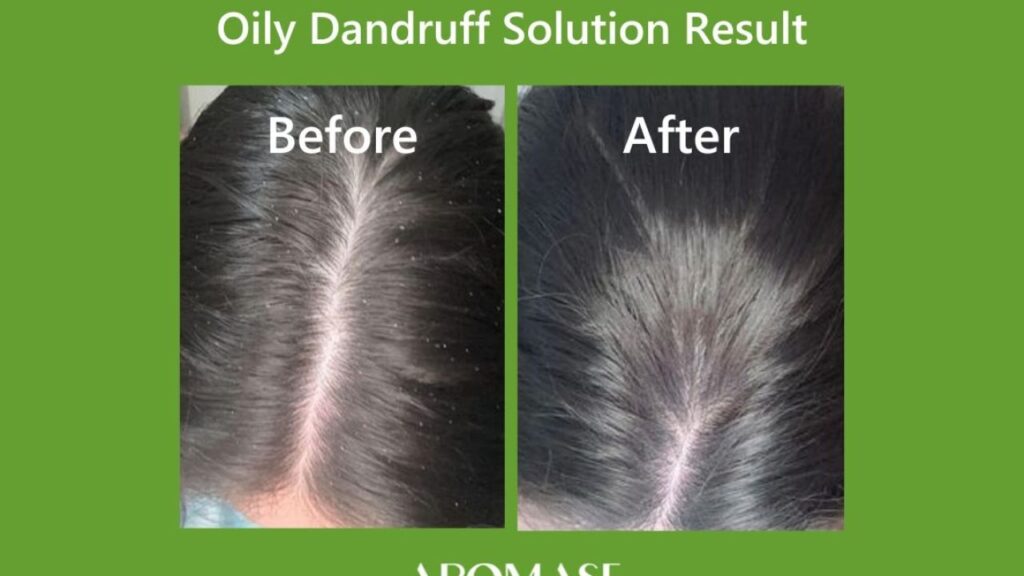
Oily Dandruff Customer Reviews: Before & After Photos
- Itchy Scalp: Could be dryness, allergies, or buildup. Soothe with aloe or diluted apple cider vinegar; identify triggers (new products, stress).
- Oily Scalp: Wash more often with balancing shampoos; avoid heavy conditioners on roots.
- Dry Scalp: Hydrate with oils and humectants; protect from cold/dry air.
- Psoriasis or Seborrheic Dermatitis: Red, scaly patches. See a dermatologist for prescription treatments; gentle care helps manage symptoms.
- Hair Loss Related to Scalp: Telogen effluvium from stress or poor circulation. Address root causes with massage, nutrition, and reduced tension.
If symptoms like persistent redness, pain, pus, or sudden hair loss occur, seek professional help—don’t self-diagnose serious conditions.
Lifestyle Factors That Influence Scalp Health
- Stress Management: High stress elevates cortisol, disrupting the hair cycle. Practice yoga, meditation, exercise, or deep breathing.
- Sun Protection: UV rays damage scalp skin and follicles. Wear hats, scarves, or use SPF sprays for parted hair.

10 Under $50 Products That Will Protect Your Hair & Scalp From the Sun
- Sleep and Exercise: Aim for 7-9 hours of sleep; regular activity improves circulation.
- Avoid Smoking and Limit Alcohol: These impair blood flow and nutrient delivery.
- Water Quality: Hard water with minerals can leave residue. Consider a filter or chelating shampoo occasionally.
Sample Weekly Scalp Health Routine
Daily:
- Gentle scalp massage (3-5 min).
- Brush/comb to distribute oils.
- Hydrate internally and protect from elements.
2-4 Times/Week:
- Shampoo focusing on scalp; condition lengths only.
- Lukewarm rinse.
Weekly:
- Exfoliate with a brush/scrub.
- Apply nourishing mask or oil treatment (leave 20-60 min, then wash).
- Optional ACV rinse.
Monthly:
- Clarifying wash if buildup occurs.
Adjust based on your scalp’s response—listen to it and tweak as seasons change.
Final Thoughts on Achieving and Maintaining Scalp Health
If practiced regularly, these scalp health tips can convert your hair from dull and weak to healthy and shiny! Results take time, so give yourself 4–12 weeks of continual care before determining if changes in shedding texture or growth have taken shape.
Patience and gentleness are key. Terrible scrubbing or too much washing can make matters worse. Follow progress with photos of your scalp (part hair to see) and hair quality.
If you have underlying health conditions (thyroid problems, hormonal imbalances), treat those in conjunction with topical care. Seek out a dermatologist or trichologist for personalized advice.
Your scalp should receive just as much loving attention as your face does. With a proper cleanse, nourishing, stimulating, protecting, and feeding the microbiome, you’ll have a balanced microbiome with less irritation,n so you create optimal conditions for healthy hair to flourish.
Try starting today with a tip or two — for example, daily massage and improved hydration — and then work your way up from there. A healthy scalp is not only for aesthetics, but being comfortable and confident every day matters. Use these practices, and your hair (and scalp) will express their gratitude with long-lasting vitality.