Introduction
The carnivore diet plan is gaining massive popularity among those seeking a simple, high-protein way of eating that cuts out all the noise of modern diets. At its core, the carnivore diet plan revolves around consuming only animal-based products, such as meat, fish, eggs, and limited dairy like butter or hard cheeses. No plants, no grains, no sugars—just pure, nutrient-dense animal foods. This meat-only lifestyle promises to simplify your meals while potentially delivering impressive health benefits.
What are the motivations behind following a carnivore diet? Proponents report benefits such as significant weight loss, increased energy levels, enhanced mental clarity, and alleviation from chronic issues like inflammation and digestive problems. While it is often seen as an extreme form of low-carb or ketogenic diets, this plan goes further by eliminating all carbohydrates, including those from vegetables and fruits. However, this dietary approach presents its own difficulties; like any eating pattern, initial side effects are common due to the adjustment process, and maintaining it over the long term requires careful planning.
This guide provides comprehensive information on the carnivore diet, including its definition, benefits, starting tips, recommended and restricted foods, a sample weekly menu, potential challenges, FAQs, and considerations for suitability. It aims to assist those curious about a meat-only diet or looking to enhance their current omnivorous plan, while also emphasizing the importance of consulting a healthcare professional before making dietary changes.
The Carnivore Diet Explained: Is It Right for You?
What is the Carnivore Diet?
The carnivore diet plan is built on a straightforward principle: eat only foods derived from animals. That means your plate is filled with meats like beef, pork, and lamb; seafood such as salmon and shrimp; eggs; and perhaps some animal fats like lard or tallow. No salads, no bread, no fruit—just the stuff our ancestors might have hunted or gathered from animals.
The popularity of this diet comes from its origins in basic human eating habits, combined with stories told by contemporary influencers like Dr. Shawn Baker and Joe Rogan, who endorse it for its simplicity. Scientifically, the carnivore diet is an extension of keto, which exploits the body’s capacity to burn ketones (derived from fat) instead of glucose (derived from carbs)—only this time, there are no plant-based allowances. Unlike keto, which permits low-carb veggies and nuts, or paleo, which encompasses fruits and roots, the carnivore diet plan is zero-carb by design. This drastic limitation seeks to remove possible irritants such as lectins, oxalates, and fiber in plant foods that some believe cause inflammation and autoimmune problems.
A standard carnivore diet program focuses on nutrient-dense, animal-based foods, including fatty cuts for energy, organ meats for vitamins and high-protein sources for muscle repair. Beef liver, for example, delivers more vitamin A and B12 than most multivitamins; fatty ribeye serves up satiating calories without the blood sugar spikes. It’s criticized for being low in fiber and some micronutrients, but supporters cite bioavailability: nutrients in animal foods are generally more easily absorbed by the body. In short, the carnivore diet plan is not solely a diet; it is more of an eating lifestyle change in the direction of minimalism.
For those of you coming from a traditional American diet packed with processed carbs, the idea of eating only meat can feel like freedom and terror at the same time. But when done with the right mindset, it becomes second nature — prioritize quality above quantity in your animal-based foods.
Benefits of a Carnivore Diet Plan
Adopting a carnivore diet plan can lead to transformative health changes for many people. Let’s break down some key benefits based on user reports and emerging research.
Weight Loss: One of the most touted advantages of the carnivore diet plan is its effectiveness for fat loss and improving body composition. By eliminating carbs, your body enters ketosis, burning stored fat for fuel. High-protein meals keep you full longer, reducing overall calorie intake without counting. Studies on low-carb diets show similar results, with participants losing more weight than on balanced diets. On a meat-only diet, the absence of processed foods further accelerates this, helping shed water weight and stubborn fat.
Improved Mental Clarity: Many on the carnivore diet plan report sharper focus and reduced brain fog. Without blood sugar fluctuations from carbs, energy levels stabilize. Animal-based foods provide ample choline from eggs and omega-3s from fish, supporting brain health. Anecdotes suggest relief from anxiety or depression, possibly due to reduced gut inflammation affecting the gut-brain axis.
Gut Health: Surprisingly, ditching plants can alleviate digestive woes for some. Fiber, often praised, can irritate sensitive guts, leading to bloating or IBS. The carnivore diet plan simplifies digestion—meats break down easily, and without plant antinutrients, issues like leaky gut may improve. Research on elimination diets supports this for autoimmune conditions, where removing triggers leads to symptom relief.
Muscle Preservation: Protein is king in the carnivore diet plan, aiding muscle maintenance and growth. Fatty meats provide essential amino acids, crucial for repair, especially during exercise. Unlike calorie-restricted diets that catabolize muscle, this high-satiety approach preserves lean mass while targeting fat.
While these benefits are compelling, they’re not universal—individual responses vary. Always monitor your health markers.

How to Start a Carnivore Diet Plan
Jumping into a carnivore diet plan doesn’t have to be overwhelming. Follow these steps for a smooth start.
Step 1: Cleanse Your Pantry: Begin by removing temptations. Toss out all processed foods, sugars, grains, and plant-based items. This creates a clean slate, making it easier to stick to animal-based foods. Donate unopened items to avoid waste.
Step 2: Stock Up on Carnivore-Friendly Foods: Focus on quality sources like grass-fed beef, wild-caught fish, pasture-raised eggs, and organ meats. Buy fatty cuts for satisfaction—think ribeye, bacon, and salmon. Include bone broth for electrolytes if needed.
Step 3: Gradual Transition: Don’t go cold turkey if it feels extreme. Start by eliminating carbs over a week, then veggies, easing into full carnivore. This minimizes withdrawal symptoms from sugar addiction.
Step 4: Hydration and Electrolytes: Water is crucial—aim for 3-4 liters daily. The carnivore diet plan can deplete sodium, potassium, and magnesium, so salt your food liberally and consider supplements. Bone broth or electrolyte packets help prevent cramps or fatigue.
Track your progress with a journal, noting energy and mood. Adjust based on your body’s signals for optimal results.
Foods to Include in Your Carnivore Diet Plan
The beauty of the carnivore diet plan lies in its simplicity—stick to animal-sourced foods for all your nutrients.
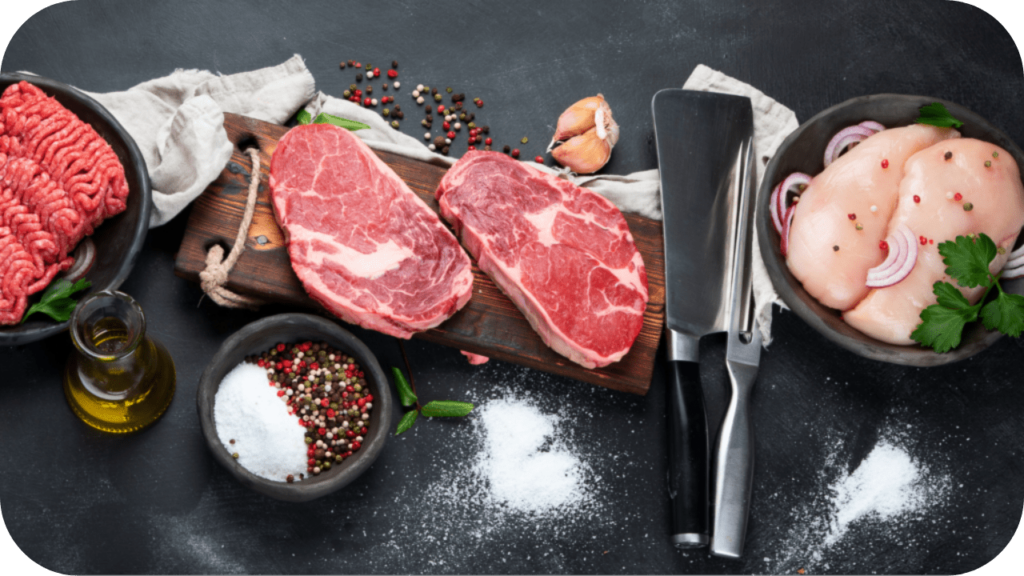
Meat: Red meats are staples. Opt for beef (ribeye, ground beef), pork (chops, belly), lamb, and game like venison. These provide protein, fats, and iron.
Fish & Seafood: Fatty fish like salmon, mackerel, and sardines offer omega-3s. Shellfish such as shrimp and oysters add zinc and variety.
Animal Products: Eggs are versatile and nutrient-packed. Butter, ghee, and hard cheeses (if tolerated) provide fats. Avoid milk if lactose-sensitive.
Organ Meats: Don’t skip these superfoods—liver for vitamins A and B, kidney for selenium, heart for CoQ10. Start small if new to them.
Prioritize fresh, unprocessed options for the best carnivore diet plan experience.
Top Carnivore Diet Foods to Include in Your Daily Meals – Carnivore Society
Foods to Avoid on the Carnivore Diet
To succeed on the carnivore diet plan, strict avoidance is key.
All Plant-Based Foods: No vegetables, fruits, nuts, seeds, or grains—these introduce carbs and potential irritants.
Sugary Foods, Processed Foods, and Carbs: Steer clear of sweets, sodas, breads, and anything packaged with additives.
Sticking to animal-based products ensures purity in your meat-only diet, maximizing benefits.
Carnivore Diet Plan: Sample Menu for a Week
Here’s a practical seven-day carnivore diet plan to get you started. Each day includes breakfast, lunch, and dinner, focusing on variety and satisfaction. Portions depend on your needs—eat until full.
Day 1:
- Breakfast: Ribeye steak pan-fried in butter.
- Lunch: Grilled salmon with skin on.
- Dinner: Pork chops seared with salt.
Day 2:
- Breakfast: Scrambled eggs with bacon strips.
- Lunch: Beef liver sautéed lightly.
- Dinner: Lamb chops grilled to medium-rare.
Day 3:
- Breakfast: Fried eggs over easy with ground beef patties.
- Lunch: Tuna steaks (canned in water if fresh unavailable).
- Dinner: Chicken thighs roasted with skin.
Day 4:
- Breakfast: Omelet with cheese and ham.
- Lunch: Beef heart slices stir-fried.
- Dinner: Salmon fillets baked.
Day 5:
- Breakfast: Bacon and eggs sunny-side up.
- Lunch: Pork belly roasted crispy.
- Dinner: Ground lamb burgers.
Day 6:
- Breakfast: Steak and eggs.
- Lunch: Shrimp boiled with butter dip.
- Dinner: Beef kidney stewed.
Day 7:
- Breakfast: Cheese omelet with sausage.
- Lunch: Sardines with olive oil (if allowed in strict variants).
- Dinner: Ribeye with bone marrow.
This carnivore diet plan keeps things exciting while staying true to animal-based foods. Experiment with cooking methods like grilling or air-frying for flavor.

Carnivore Diet: What to Eat, Benefits, and Risks
Potential Side Effects of a Carnivore Diet Plan
While rewarding, the carnivore diet plan can cause initial hurdles.
Keto Flu-Like Symptoms: Headaches, fatigue, and nausea from carb withdrawal—usually passes in a week.
Constipation or Digestive Changes: Lack of fiber may slow bowels; increase fat and water intake.
Monitor symptoms and consult a doctor if persistent. Adjust electrolytes to ease transitions.
(Word count so far: approximately 1,900)
Frequently Asked Questions About the Carnivore Diet Plan
How long should you stay on the carnivore diet? It varies—some use it short-term for resets (30 days), others long-term. Listen to your body.
Can you get all necessary nutrients on a carnivore diet? Yes, through varied animal-based foods, especially organs. Supplements may help for vitamin C or magnesium if needed.
What is the best way to ensure you are getting enough fat and protein? Choose fatty cuts and eat to satiety—aim for 70% fat, 30% protein ratio.
These FAQs address common concerns in your carnivore diet plan journey.
Is the Carnivore Diet Right for You?
The carnivore diet plan suits those with autoimmune diseases, metabolic issues, or carb sensitivities, offering inflammation reduction and simplicity. Athletes may appreciate muscle support.
However, avoid it if you have kidney disease (high protein load) or gallbladder issues. Pregnant individuals or those with eating disorders should proceed cautiously.
Assess your health goals—trial it short-term to see.
Conclusion
The carnivore diet plan offers a straightforward path to health through animal-based foods, emphasizing benefits like weight loss and clarity. With proper preparation, it’s a viable meat-only lifestyle.