Have you ever wondered if behavioral health and mental health mean the same thing? Many people use these terms interchangeably, but they’re not identical. In this article, we’ll dive deep into what each one means, their differences, similarities, and why it matters. We’ll use key terms like behavioral health, mental health, emotional well-being, psychological state, habits, substance use, therapy, and more to make it clear. This easy-to-read guide is packed with info from reliable sources, plus some helpful images to illustrate the points. Let’s break it down step by step.
What Is Mental Health?
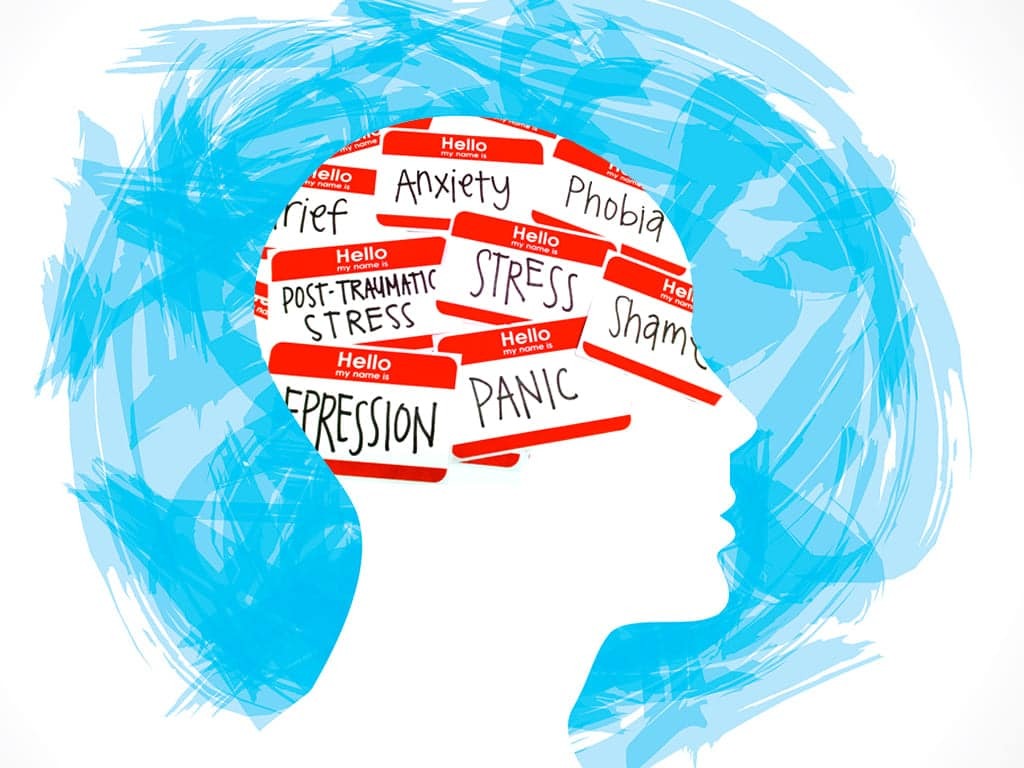
Mental health is all about your mind and emotions. It refers to your psychological state—how you think, feel, and handle life’s ups and downs. Good mental health means you’re generally feeling okay, can cope with stress, and enjoy relationships. Poor mental health might involve things like anxiety, depression, or mood swings that make daily life tough.
According to experts, mental health affects how we process emotions and make decisions. It’s tied to our brain’s chemistry, past experiences, and even genetics. For example, if someone has a mental health condition like bipolar disorder, it impacts their emotional stability and thought patterns. Mental health is a key part of overall well-being, but it’s focused inward on the psyche.
Think of mental health like the engine of your emotional car. If it’s running smoothly, you cruise through life. If not, you might stall out. Organizations like the CDC describe mental health as including emotional, psychological, and social aspects that influence how we act and interact. It’s not just about avoiding illness; it’s about thriving.
Understanding Mental Health: Navigating Challenges and Building Resilience
In everyday terms, mental health covers things like stress management, self-esteem, and resilience. When we talk about mental health awareness, we’re often highlighting conditions that disrupt these areas, such as PTSD or schizophrenia. Raising awareness helps reduce stigma and encourages people to seek help early.
For now, though, we will dive into why mental health is important. Unhealthy thought patterns can also be a result of the fast pace world we live in as well as work pressure, social media and global events that might hurt our mental health. Studies have found that approximately one in five adults experiences mental illness each year. This isn’t only a personal problem: it impacts families, workplaces and communities.” clearly, education, support systems and access to care all promote mental health.
People who are mentally healthy today may not be tomorrow. Things that happen in childhood, including trauma, can impact adult mental health. It can be improved with positive habits, such as mindfulness or journaling. The type of professionals that psychologists are in the diagnosing and staying disorder range of field through talk therapy or medication.
To make it more relatable, for example, a student under the exam anxiety. That is a mental health challenge of worry and fear. To address it, you might use cognitive techniques to change your perspective. Mental health is incredibly individual and human.
What Is Behavioral Health?
Behavioral health is a bigger umbrella. It includes mental health but goes further by looking at how our actions and habits affect our overall health—both mind and body. Behavioral health examines behaviors like eating habits, exercise, sleep patterns, and substance use. It’s about the link between what we do and how we feel.
If a person drinks an excessive amount of alcohol in response to stress, that’s a behavioral health problem because the behavior (drinking) affects their physical health (liver damage) and mental health (increased depression), for example. Behavioral health professionals work to interrupt these patterns to optimize quality of life.
Behavioral health is defined by the sources as including mental distress, substance use disorder and even suicidal behaviors. It’s wider because it explores lifestyle choices. Consider it the complete picture: not only what’s in your head, but how your daily lives fit into your wellness.
Improved habits also include better management of chronic disease as part of behavioral health. Someone with diabetes, for instance, might focus on behavioral change like diet to manage their disease, which in-turn has a positive impact on mood. A comprehensive effort such as this makes behavioral health central to preventive care.
Behavioral Health: Tackling Actions and Emotions for Better Well-being
In practice, behavioral health services might involve counseling for addiction, nutrition advice, or exercise programs. It’s often used in healthcare settings to address intertwined issues. The term gained popularity because it reduces stigma around mental health by framing it as part of everyday behaviors.
Further, from the perspective of behavioral health we know actions are interrelated. A behavior such as poor sleep can worsen mental health, like anxiety. Addressing the behavior directly, such as with sleep hygiene, can result in better outcomes. This field combines psychology, sociology and medicine.”
Behavioral health practitioners, from therapists to counselors, use evidence-based approaches such as cognitive-behavioral therapy (CBT) to alter behavior. CBT has a wide appeal because it focuses on thoughts that drive behaviors.
Behavioral vs Mental Health | Hope Springs Behavioral Health
Key Differences Between Behavioral Health and Mental Health
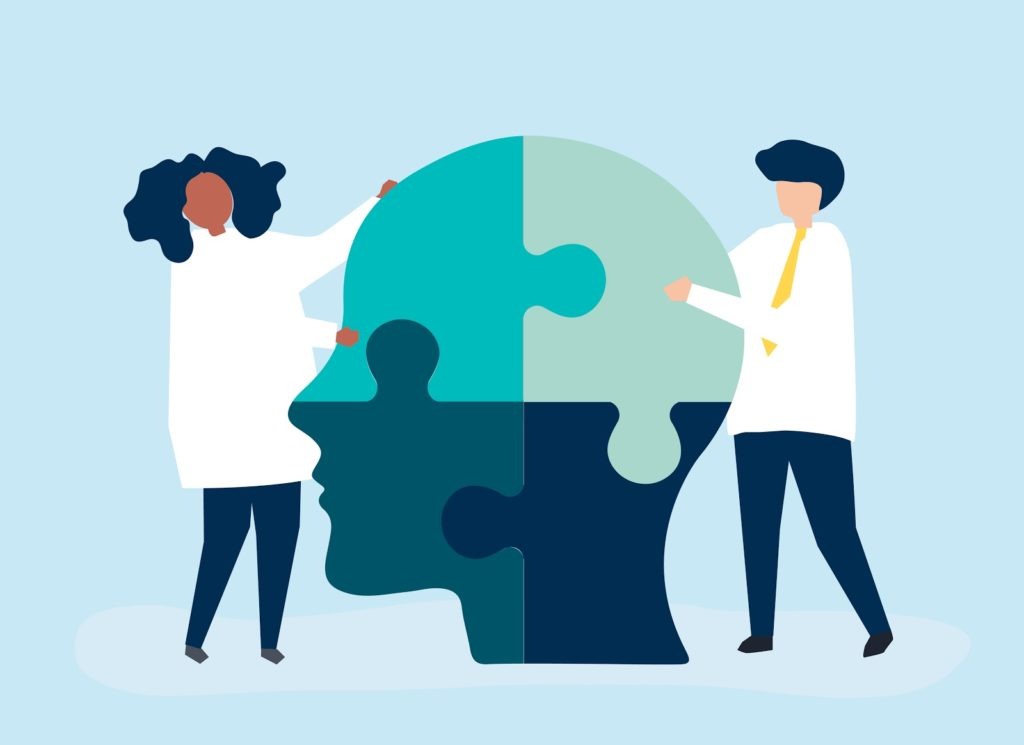
So, is behavioral health the same as mental health? No, not quite. Mental health is a part of behavioral health, but behavioral health is wider in scope. Mental health focuses on your emotional and psychological well-being, like feelings of sadness or joy. Behavioral health looks at how behaviors influence both mental and physical health.
In behavioral health, by contrast, the focus extends to actions taken outward and it is not necessarily less stigmatizing than mental health.” For instance, therapy for mental health may help people explore childhood memories, while behavioral health therapy may teach them new habits — such as going to the gym occasionally — to fight off depression.
Another distinction is in treatment. Mental health usually refers to psychiatry for medications; behavioral health might include lifestyle coaching or recovery programs from addictions. The behavioral half addresses habits that can poison the body like smoking, which is not purely a mental issue.
In health care, this can matter because insurance may cover “behavioral health services” — which encompass both mental health counseling and treatment for substance abuse. Knowing the difference is key to getting adequate help.
Let’s list some differences in a simple table:
| Aspect | Mental Health | Behavioral Health |
| Focus | Emotions, thoughts, psychological state | Behaviors, habits, and their impacts |
| Examples | Anxiety, depression | Substance use, eating disorders |
| Treatment Approach | Therapy, medication | Habit change, lifestyle interventions |
| Scope | Narrower, mind-focused | Broader, mind and body |
This table shows how they overlap but differ. Sources confirm that while people mix them up, behavioral health is the “big picture.”
Diving deeper, the terms evolved differently. Mental health has roots in psychiatry, while behavioral health emerged in the 1970s to integrate mental and physical care. This shift helps in holistic treatment, especially for co-occurring issues like addiction and depression.
In public health, behavioral health campaigns might promote exercise for mood boosts, blending the two. But recognizing differences ensures targeted care.
Similarities and Overlaps
Despite differences, behavioral health and mental health are closely linked. Both aim to improve well-being and quality of life. Many conditions fall under both, like eating disorders, which involve mental thoughts and behavioral actions.
They overlap in treatments too. Cognitive-behavioral therapy (CBT) is used for both, as it addresses thoughts (mental) and actions (behavioral). Professionals often train in both areas.
Similarities include the goal of prevention. Both encourage early intervention to avoid crises. Stigma affects both, but awareness is growing.
In overlaps, a mental health issue like anxiety can lead to behavioral problems like avoidance. Treating one often helps the other. This interconnectedness is why some use the terms interchangeably, though experts advise precision.
Think of them as a Venn diagram: mental health in one circle, behaviors in another, with a big overlap in the middle.
History and Evolution of These Terms
The concept of mental health dates back centuries, with early asylums in the 1800s. But “mental health” as a term popularized post-World War II, focusing on psychological care.
Behavioral health emerged in the late 20th century to bridge mental and physical health. It aimed to destigmatize by emphasizing changeable behaviors. This evolution reflects a shift toward integrated care.
In the 1980s, with rising substance abuse, behavioral health included addiction services. Today, it’s key in managed care systems.
Historically, figures like Sigmund Freud shaped mental health with psychoanalysis. Behavioral health draws from B.F. Skinner’s work on conditioning.
Over time, both fields have advanced with research. Neuroimaging shows brain-behavior links, blurring lines further.
Understanding history helps appreciate modern approaches, like telehealth for both.
Importance in Healthcare
In healthcare, distinguishing behavioral health and mental health improves outcomes. Integrated care treats the whole person. For example, hospitals now have behavioral health units for mental and addiction issues.
Public health initiatives, like Mental Health Awareness Month, boost both. Access to services is crucial, especially in underserved areas.
Economically, poor behavioral or mental health costs billions in lost productivity. Investing in them saves money long-term.
In primary care, screening for both catches issues early. This holistic view enhances patient satisfaction.
Common Conditions and Treatments
Common mental health conditions: depression, anxiety, OCD. Treatments: therapy, antidepressants.
For behavioral health: addiction, obesity-related behaviors, self-harm. Treatments: rehab, coaching, group therapy.
Many conditions overlap, like ADHD, which has mental (attention issues) and behavioral (impulsivity) aspects.
CBT is a star treatment for both, teaching skills to change thoughts and actions.
Medication helps mental health directly, while behavioral interventions like motivational interviewing aid habit change.
Alternative treatments: mindfulness for mental health, yoga for behavioral.
Case studies show success: someone with depression (mental) quits smoking (behavioral) and feels better overall.
How to Seek Help
If you’re struggling, start with a doctor or hotline. For mental health, see a psychologist. For behavioral, a counselor specializing in habits.
Resources: NAMI for mental health, SAMHSA for behavioral.
Online therapy makes access easy. Don’t hesitate—early help prevents worsening.
In emergencies, call 911 or crisis lines.

What Is A Behavioral Therapist For Mental Health? | BetterHelp
Prevention and Maintenance
Prevent mental health issues with stress reduction, social connections. For behavioral health, build healthy habits like balanced diet, exercise.
Daily tips: meditate, walk, journal. Community programs promote both.
Long-term maintenance: regular check-ins, support groups.
Education is key—schools teach kids about both.
Conclusion
Behavioral health and mental health aren’t the same, but they’re intertwined. Mental health is about your inner world, while behavioral health includes actions affecting body and mind. Understanding this empowers better health choices. Prioritize both for a fuller life.