
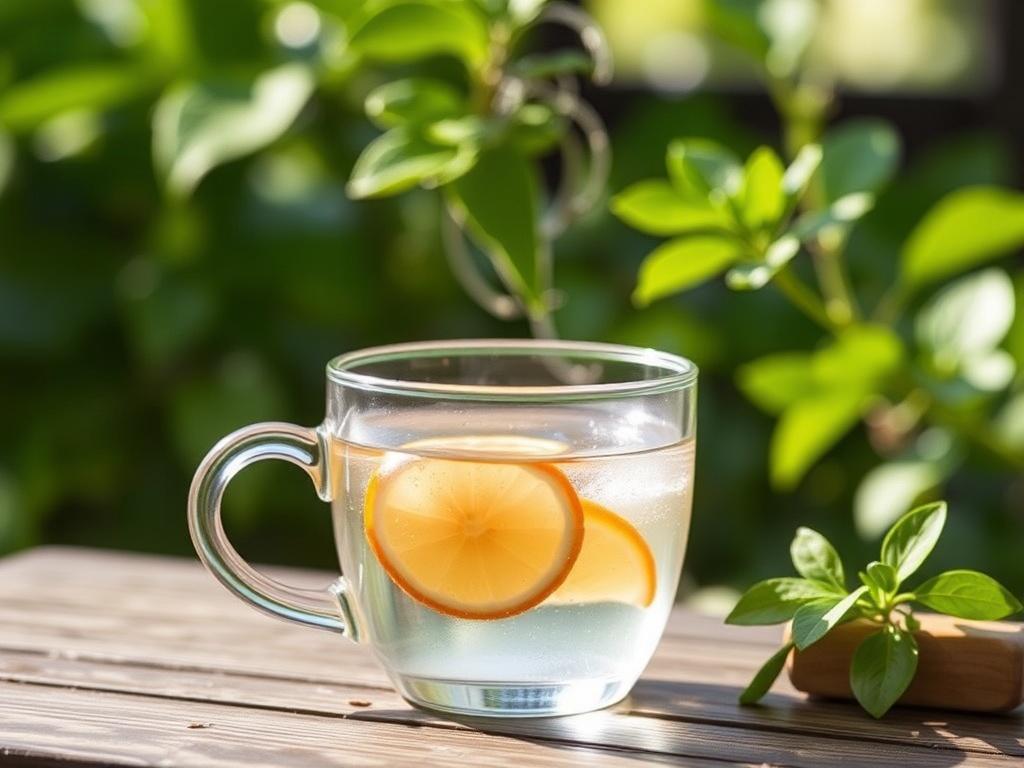
There’s something quietly persuasive about a steaming mug in the morning: the way it unfurls the senses, slows the rush of an alarmed brain, and gives your body a gentle instruction to wake up. For many people around the world, sipping hot water first thing is a simple ritual carried out for decades, not because it’s trendy but because it reliably feels good. In this article I’ll walk through what that sensation might be doing internally, separate evidence from enthusiasm, and offer practical, safe ways to try the habit yourself.
How hot water interacts with digestion
The digestive system is highly responsive to temperature and the physical properties of what you consume. Warm liquids tend to relax the muscular walls of the gastrointestinal tract, easing the passage of contents and helping the stomach move from a restful state into a working one.
Sipping a warm beverage on an empty stomach can stimulate peristalsis—the coordinated muscle contractions that propel food and waste through the intestines. That stimulation often translates to a smoother, more predictable morning routine for people who experience sluggish digestion or irregular bowel movements.
Because your gut microbiome and digestive enzymes are sensitive to timing and environment, the act of drinking hot water as a first step can create a mild, predictable signal that helps prime enzyme secretion and bile flow, which are important for digesting whatever you eat next. Many who adopt the habit report fewer bloating episodes and less morning discomfort.
Hydration first: waking up your cells and metabolism
After seven to eight hours without fluids, your body is slightly dehydrated as soon as you wake. A glass of hot water is an efficient, gentle way to restore that balance because warmth can be more immediately soothing than cold and may be consumed more gradually and comfortably.
Proper hydration influences cellular processes across the board—blood volume, nutrient transport, and even cognitive clarity. While the temperature of the water doesn’t change the total water molecules delivered, warming the fluids often increases palatability and the likelihood that you’ll drink enough.
Some people find that a morning cup of hot water gives them a subtle metabolic nudge: not a dramatic calorie-burning effect, but a modest improvement in circulation and digestive preparedness that supports morning energy levels. This is one of the practical benefits of drinking hot water on an empty stomach in the morning that many users describe anecdotally.
Improved circulation and a mild detox effect
Warm liquids cause vasodilation—blood vessels near the skin and in the digestive tract widen slightly, which can improve local circulation. Better blood flow helps tissues receive oxygen and nutrients more efficiently and can promote a sense of warmth and alertness after a cool night.
The term “detox” is often overused, but there is a simple physiological truth: the kidneys and liver are continually processing metabolic byproducts, and adequate hydration supports their function. Drinking warm water doesn’t cleanse toxins in the dramatic way marketing language sometimes promises, but it does help the body maintain the fluid balance required for normal excretory processes.
For people who feel heavy or sluggish in the morning, the circulatory and fluid-balance effects of warm water can create an immediate sensation of lightness. That subjective improvement is a small but meaningful benefit and one reason the practice persists across cultures.
Weight management and appetite control
Hot water is not a miracle weight-loss solution, but it can be a useful tool in a larger strategy. Drinking water before a meal—hot or cold—can produce a mild sense of fullness and reduce the tendency to overconsume at the first meal of the day.
There’s also a behavioral element: replacing a calorie-containing beverage like sweetened coffee or juice with plain hot water reduces morning caloric intake and establishes a calm start that may influence food choices later. Rituals matter; small, repeatable choices mounted over weeks become habits.
When people ask about the benefits of drinking hot water on an empty stomach in the morning for weight control, the honest answer is that its value is indirect. It aids hydration, supports digestion, and may reduce immediate hunger—factors that, combined with a balanced diet and regular exercise, can help manage weight sustainably.
Skin health, inflammation, and immune support
Hydration is one of the simplest foundations of healthy skin. The outer layers of skin depend on internal water balance, and while drinking water won’t erase deep wrinkles or replace topical skin care, staying hydrated supports elasticity and can reduce the tight, dry feeling many people wake up with.
Warm water may also soothe nasal passages and the throat, especially in dry climates or during cold seasons. That soothing effect can make it easier to breathe in the morning and may reduce irritation that contributes to cough or congestion.
Regarding inflammation and immune function, the relationship with a morning cup of warm water is modest. Good hydration supports systemic function, and when combined with a nutrient-rich diet and adequate sleep, it helps the immune system operate efficiently. The cup itself isn’t a cure, but it’s a supportive daily action.
Evidence and what science does (and does not) say
Research on specific temperature effects of water is limited, and many claims about dramatic health improvements lack large-scale randomized trials. What science supports more consistently is the importance of hydration, the role of warmth in relaxing muscles, and the behavioral benefits of simple morning routines.
Physiological mechanisms—such as increased gut motility from warmth and improved circulation from drinking hot fluids—are biologically plausible and observed in smaller studies or mechanistic experiments. However, the magnitude of effects varies by individual and is often modest.
Given the limited and nuanced evidence, the most honest stance is pragmatic: try the habit for yourself, notice what changes, and integrate it into a broader health plan. If you experience meaningful improvements in digestion, energy, or routine, the habit has real personal value even if it’s not a medical panacea.
Simple table: benefits, plausible mechanisms, and evidence strength
| Perceived benefit | How warm water might help | Evidence strength |
|---|---|---|
| Eases morning constipation | Warmer liquids can stimulate intestinal movement and relax muscles | Moderate (small studies, strong anecdotal support) |
| Improves hydration | Encourages fluid intake after overnight fast | Strong (well-supported for health generally) |
| Feels soothing for throat/nasal passages | Warmth reduces irritation and can loosen mucus | Moderate (common clinical advice for symptomatic relief) |
| Helps with appetite control | Creates a mild sense of fullness and reduces immediate calorie intake | Moderate (behavioral studies on pre-meal water consumption) |
| May boost circulation briefly | Warm liquids promote vasodilation | Low to moderate (mechanistic basis, limited clinical data) |
How to drink hot water safely and effectively
Temperature matters. Water that is uncomfortably hot can scald delicate tissues in your mouth, throat, and esophagus, and repeated exposure to very hot beverages is associated with increased risk of burns and irritation. Choose a temperature that feels comfortably warm rather than boiling.
A practical guideline is to let freshly boiled water cool for a minute or two before sipping. Aim for a cup you can hold without flinching—comfort is the signal that it’s at a safe level. If you have sensory issues or reduced mouth sensation, take extra caution.
Start with a modest quantity, such as 8–12 ounces, and sip slowly. That allows you to enjoy the calming ritual, gives your stomach time to register fullness, and reduces the chance of a sudden thermal shock to the digestive tract. Remember that consistency over time matters more than a single large cup.
Flavor additions and small rituals that enhance the habit
One of the reasons people stick with morning hot water is that it’s easy to personalize. A slice of lemon, a few slices of fresh ginger, or a stick of cinnamon can add flavor, aroma, and additional sensory cues that make the ritual pleasurable.
Lemon provides a bright citrus note and a small vitamin C boost, though the amount delivered in a single wedge is modest. Ginger adds warmth and a spicy kick that many find helpful for nausea or queasy mornings. Cinnamon supplies comforting scent and subtle sweetness without added sugar.
If you choose to add honey or another sweetener, keep portions small to avoid unnecessary calories. These additions are optional—plain warm water is perfectly fine and often the simplest, most accessible option for a consistent practice.
Simple morning recipes to try
Plain warm water: Heat water until it steams, allow to cool for 60–90 seconds, then sip slowly. This is the purest way to feel the baseline effects without additives.
Lemon-warm water: Add juice from 1/4 to 1/2 a lemon to your warm water. Stir and sip. Many people report improved palatability and a refreshing morning lift.
Ginger-warm water: Thinly slice a small knob of fresh ginger and steep for a few minutes in hot water. Strain if desired and sip slowly. This version can be especially soothing if you wake with nausea or indigestion.
When hot water might not be the best choice
Certain health conditions can make hot liquids less suitable. People with severe gastroesophageal reflux disease (GERD) or frequent heartburn sometimes find warm beverages exacerbate symptoms, so it’s important to notice personal reactions and adjust accordingly.
Individuals with altered oral or esophageal sensation—due to neuropathy, recent surgery, or certain neurological conditions—should be especially cautious because they may not feel scalding temperatures and could sustain burns without immediate pain. When in doubt, choose a cooler temperature.
Always consult your healthcare provider if you have chronic gastrointestinal conditions, are recovering from abdominal surgery, or are on medications that interact with dietary practices. A morning beverage is a small change, but it can interact with broader treatment plans.
Common myths and how to separate them from helpful practice
There are many exaggerated claims floating around: that hot water dissolves fat on contact, that it flushes toxins in a dramatic way, or that it will cure chronic illnesses. These statements overreach. The real effects are subtler and physiological rather than magical.
Practical benefits—improved hydration, a soothing start to the day, mild digestive stimulation—are where this habit earns its reputation. If you expect radical transformations from a single cup, you’ll likely be disappointed. If you expect a gentle, reliable ritual that supports healthier patterns, the results can be meaningful.
Evaluate new information critically. If a claim about hot water seems too good to be true, check for reputable sources or consult a clinician. Small daily habits add up when combined with sensible diet, movement, and sleep, but they aren’t a substitute for medical care when it’s needed.
Real-life examples: how people fit it into their mornings
One friend of mine is a schoolteacher who began taking a hot cup of water with lemon each morning when her schedule became hectic. She told me it gives her a quiet five minutes to plan the day and has reduced her tendency to rely on sugary coffee drinks between classes.
An acquaintance recovering from mild chronic constipation found that a warm mug and a short walk helped get her bowels moving within thirty minutes. For her, the pairing of warmth and movement was more effective than making other large changes all at once.
In my own experience, replacing a habitual second cup of sweet coffee with plain warm water on some mornings reduced mid-morning crashes and helped me stay hydrated until breakfast. It didn’t transform my life, but it made the early hours smoother and more predictable.
Tips for building the habit without frustration
- Start small: commit to a single cup for two weeks, and track changes in digestion, energy, and mood.
- Pair the drink with a cue: place your mug on the counter at night or brew water while you brush your teeth.
- Make it pleasant: use a favorite mug, pick a flavor addition you enjoy, and resist treating it like a chore.
- Monitor and adjust: if it causes discomfort, lower the temperature or try a smaller amount.
Consistency beats intensity. A modest, repeatable ritual is easier to maintain and more likely to produce noticeable benefits over time than an aggressive but short-lived experiment.
Adaptations for different lifestyles and schedules
If your mornings are chaotic, prepare the water the night before and reheat to a comfortable temperature. For commuters, a quality insulated bottle can keep the water warm and accessible without forcing you to make it where you work.
For shift workers or those who wake at different times, the key is the relative timing: have the warm water before your first substantial meal after waking, rather than strictly at sunrise. The body responds to the fast-to-eat transition more than to the clock.
Travel presents a special case. Hotel kettles and tap water quality vary, so use bottled water when you’re unsure about local sources. A personal travel mug and a short ritual can preserve the habit across different time zones and schedules.
Combining warm water with other morning practices
Some people find that pairing warm water with light movement—sitting stretches, a short walk, or simple yoga—amplifies its benefits. The warmth helps soften muscles while movement stimulates circulation and digestion.
Deep breathing for a few minutes with your cup in hand can turn the routine into a mini-mindfulness practice. That mental reset can reduce stress hormones that otherwise interfere with digestion and appetite regulation.
Layer these practices gradually. Adding too many new elements at once increases dropout risk. Start with the hot water, then fold in a two-minute stretch or breathing exercise after you’ve established the habit.
Special considerations: pregnancy, children, and older adults
During pregnancy, hydration is particularly important. Warm water is generally safe, but pregnant people should avoid very hot beverages and consult their healthcare provider about any additions like herbal ingredients, which can have active compounds.
Children can be offered warm water, but always check the temperature before serving. Babies and infants should not be given hot or even very warm liquids without pediatric guidance, and the standard feeding recommendations for infants differ entirely from adults.
Older adults sometimes have diminished thirst sensation and can benefit from a morning drinking cue. However, those with certain medical conditions—such as advanced heart failure where fluid balance is tightly controlled—should follow individualized medical advice about fluid intake.
Tracking outcomes: what to watch for
Keep a simple log for two to four weeks and note changes in bowel regularity, morning energy, thirst levels, and any digestive symptoms. Small, consistent improvements are meaningful and easier to maintain than searching for dramatic overnight changes.
Pay attention to negative signals too: if warm water worsens reflux, causes throat irritation, or coincides with new symptoms, stop or adjust the practice and consult a clinician. Personal feedback is the best guide to whether this ritual suits you.
Consider pairing the habit with other measurable goals—like drinking eight glasses of water per day or eating a balanced breakfast—to see how the practice integrates into larger health patterns.
How long before you notice a difference?
People vary widely. Some notice digestive improvements within a few days, while others need a few weeks to experience a reliable change in bowel habits or morning energy. The timeline depends on baseline hydration, diet, and lifestyle factors.
If you incorporate the routine as part of a broader pattern of healthy behavior, the benefits often appear more quickly because several factors are changing together. If the rest of your day is high in processed foods and low in movement, the single change of warm water is likely to have a smaller effect.
Patience and consistency are the most useful strategies. Treat this as a small, low-risk experiment: commit to trying it consistently for two weeks and then reassess how you feel and whether it’s worth continuing.
Common questions people ask
Will hot water help me lose belly fat? Not by itself. Weight loss requires a sustained calorie deficit, but the habit can support a reduced-calorie morning routine and better hydration.
Should I add apple cider vinegar or other supplements to the hot water? Those additives have their own effects and potential risks; if you choose to add them, research each ingredient and consult your clinician, particularly if you have underlying conditions.
Is cold water just as good? Cold water hydrates equally well, but many people find warm water more soothing and easier to drink first thing. The best choice is the one you will actually drink consistently.
Practical safety reminders
Never drink water that is scalding. A moment’s impatience can cause burns that are slow to heal. Test the liquid on the inside of your wrist if you’re unsure of the temperature.
If you have difficulty swallowing or any neurological condition that affects swallowing, avoid very hot beverages and discuss safe fluid practices with a healthcare provider. Simple pleasures should not become hazards.
Be mindful of mug and cup placement in shared spaces. A hot container can be a hazard in homes with small children or pets. Choose secure lids and stable surfaces to reduce spills and accidents.
Personal reflection: why this ritual sticks for many people
Beyond the physiological details, there’s an emotional component to starting a day with a warm cup. It’s a small, intentional pause that signals to yourself that you’re beginning the day with care. That intention often carries into subsequent decisions and mood.
I’ve kept this habit on and off for years, and the times it has stuck are the times I allowed it to be enjoyable rather than the moralized “must.” The warmth, the steam, and the quiet minutes of planning create a tiny pocket of calm in the morning rush.
When you remove the pressure for instant transformation and treat the practice as a supportive ritual, it becomes sustainable and pleasant. That’s where it shows its real value.
Final practical checklist before you start
- Choose a comfortable temperature—warm, not scalding.
- Start with 8–12 ounces and sip slowly.
- Consider simple flavor additions if desired, but keep them minimal.
- Pair the drink with a short movement or breathing routine for added benefit.
- Track changes for two weeks to see whether it helps your digestion, energy, or mood.
If you feel better, continue. If it causes problems, adjust or stop. Simple experiments like this are low-risk and can yield personal insights that no single study can provide.
Drinking warm water on an empty stomach is a quiet, accessible practice with a handful of plausible benefits: gentle digestive stimulation, improved hydration, a soothing start to the day, and a ritual that supports healthier choices. It’s not a cure-all, but for many people the combination of physiological effects and the psychological comfort of a warm ritual makes it worth trying. If you decide to adopt it, do so with practical safety in mind, and pay attention to how your own body responds.