
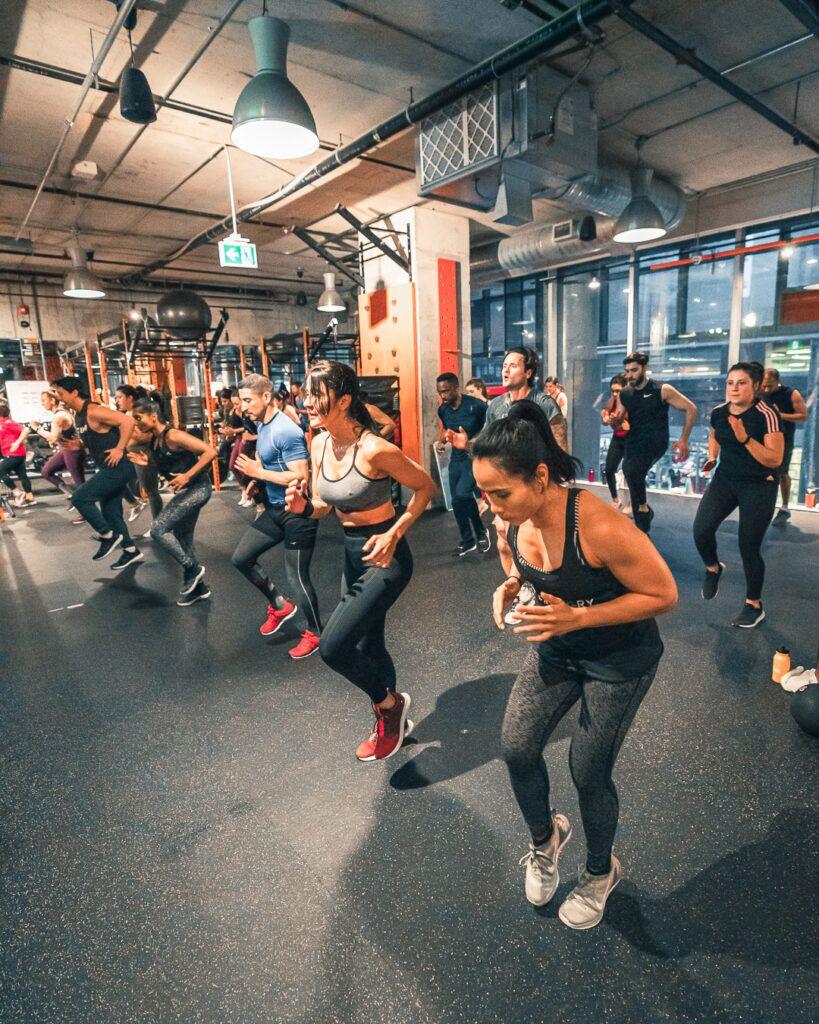
Regular physical activity is essential for leading a healthy life full of energy. Nevertheless, not all people are able to stay motivated during training performed alone. Here comes the role of fitness classes. They offer you structured physical activity, professional coaching, company of other people, a fun environment, andthe possibility of reaching your fitness goals along with others.
Be it the beginning of your journey into the world of physical exercises, or your return to the gym after a long break, or just your search for something new if you are already an experienced fitness lover – you will find many types of fitness classes suitable for you. From yoga to Pilates, from strength training to spinning, from dance fitness to high-intensity interval training, you will definitely find a type of class that suits your interests and goals.
The best program is not the toughest one. The best program is one that you will be able to do safely and regularly, and that will fit your lifestyle.
What Are Fitness Classes?
Fitness classes are classes where physical exercises are conducted by a professional trainer. This can be conducted indoors or outdoors, depending on the location.
While exercising alone is different from having a fitness class because the latter will have a set program that will be followed and the coach will teach the exercise to the students.
A typical class may include:
- Warm-up exercises
- Mobility movements
- Main workout
- Strength or cardiovascular exercises
- Cool-down
- Stretching
- Recovery guidance
Classes can range from short beginner sessions to longer and more advanced workouts.
The goal is to create an environment where participants can exercise with structure and motivation while learning proper techniques.
Why Are Fitness Classes Popular?
Fitness classes have become very common since they offer both physical activity and social interaction and professional guidance.
When you exercise on your own, you may find it hard to choose what exercises you should do, how many times you should repeat them, or how to plan the whole process. Classes provide an easy way to do all of this for you.
Rather than spend time coming up with a plan for exercising, you only need to show up at the appointed hour and follow the teacher’s directions.
Another thing is that there is an opportunity to be accountable to yourself by showing up to the class at a certain time rather than telling yourself that you will exercise any time during the day.
Exercising in a group setting can also be quite fun since you do it together with other people.
Benefits of Fitness Classes
1. Structured Workouts
One of the biggest advantages of fitness classes is structure.
A professional instructor normally prepares the workout before the class begins. This means participants do not need to spend a lot of time deciding what exercises to perform.
A structured class may focus on:
- Strength
- Endurance
- Flexibility
- Mobility
- Balance
- Coordination
- Cardiovascular fitness
Having a planned routine can make it easier to stay focused throughout the session.
2. Professional Guidance
Learning how to perform exercises correctly is important, particularly for beginners.
An instructor can demonstrate movements and explain:
- Proper technique
- Body positioning
- Breathing
- Movement control
- Exercise modifications
- Appropriate intensity
Good instruction can help participants understand the basics of an exercise and avoid unnecessary mistakes.
If you have an injury, medical condition, or specific physical limitation, speak with an appropriate healthcare professional before beginning a new exercise program and tell your instructor about any relevant restrictions.
3. Motivation
Motivation is one of the most common challenges people face when trying to exercise regularly.
Fitness classes create a scheduled environment where participants exercise together.
Music, group energy, instructor encouragement, and the presence of other participants can make workouts feel more engaging.
Some people find it easier to complete a challenging workout when they are surrounded by others who are working toward similar goals.
4. Social Interaction
Exercise need not always be a lone pursuit.
Group exercise classes offer one a chance to interact with like-minded individuals. With time, the consistent attendees will form friendships and associations.
It becomes easier to attend the sessions if there is a friendly community of people in the fitness sessions.
This aspect is particularly helpful for people who do not enjoy gym exercises.
Different Types of Fitness Classes
There is no single type of fitness class that is best for everyone. Different classes focus on different aspects of fitness.
Strength Training Classes
Strength training classes focus on exercises designed to challenge the muscles.
Depending on the class, participants may use:
- Dumbbells
- Resistance bands
- Kettlebells
- Barbells
- Weight machines
- Bodyweight exercises
The exercises that one could expect from a typical class would be squats, lunges, presses, rows, and many others.
There are specific strength training classes that are very beneficial for those interested in building their strength and improving physical abilities.
When starting with strength training, beginners need to start with low resistance and focus on technique rather than lifting heavy weights.
2. HIIT Fitness Classes
High-Intensity Interval Training, commonly called HIIT, involves alternating periods of harder exercise with periods of recovery or lower-intensity activity.
A HIIT class may include:
- Squats
- Lunges
- Jumping movements
- Bodyweight exercises
- Short cardio intervals
- Resistance exercises
The exact format varies from class to class.
HIIT can be challenging, so beginners should choose an appropriate level and use modifications when necessary.
The objective is not simply to exercise as hard as possible. Good technique and appropriate intensity are more important than trying to keep up with everyone else.
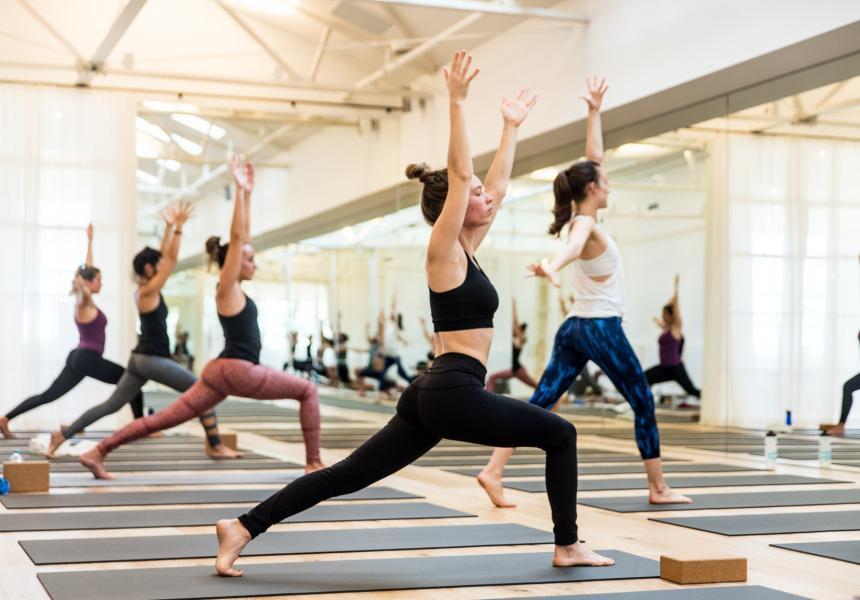
3. Yoga Classes
Yoga classes combine movement, balance, flexibility, breathing, and relaxation.
Different styles of yoga can have very different levels of intensity.
Some classes focus primarily on gentle movement and relaxation, while others provide a more physically demanding workout.
Yoga may include:
- Stretching
- Balance exercises
- Controlled movement
- Breathing practices
- Mobility work
- Relaxation
Beginners can start with introductory classes to learn basic positions and movement patterns.
4. Pilates Classes
Pilates is a form of exercise that emphasizes controlled movements, core engagement, posture, balance, and body awareness.
A Pilates class may use:
- Mats
- Resistance bands
- Small exercise equipment
- Specialized Pilates machines
Many Pilates exercises involve slow and controlled movements rather than fast repetitions.
Pilates can be a good option for people who enjoy structured, technique-focused workouts.
5. Cycling Classes
Indoor cycling classes use stationary bicycles to create a group cardiovascular workout.
An instructor may guide participants through different levels of resistance and intensity.
A cycling session may include:
- Warm-up
- Moderate cycling
- Higher-intensity intervals
- Recovery periods
- Cool-down
Participants can usually adjust resistance according to their fitness level.
Cycling classes can be energetic and engaging, especially for people who enjoy music and group workouts.
6. Dance Fitness Classes
Dance-based fitness classes combine exercise with music and choreography.
Examples include:
- Dance cardio
- Zumba-style classes
- Aerobic dance
- Hip-hop fitness
- Latin-inspired workouts
These classes can make exercise feel more like a recreational activity.
Dance fitness may be particularly appealing to people who enjoy music, movement, and group interaction.
7. Cardio Fitness Classes
Cardio classes are designed to raise the heart rate through continuous or interval-based movement.
Activities may include:
- Step exercises
- Aerobic movements
- Indoor cycling
- Dance
- Circuit training
- Low-impact cardio
Cardio classes can help participants build endurance while providing a structured workout environment.
8. Functional Fitness Classes
Functional fitness classes focus on movement patterns that involve multiple muscle groups and coordination.
Exercises may include:
- Squats
- Carrying movements
- Pushing
- Pulling
- Lunging
- Rotational movements
- Balance exercises
The instructor may organize these movements into circuits or stations.
Functional training can be adapted for different fitness levels, making it suitable for both beginners and experienced participants when properly coached.
9. Mobility and Stretching Classes
Not every workout needs to be intense.
Mobility and stretching classes focus on controlled movement and flexibility.
These classes may include:
- Dynamic stretching
- Gentle mobility exercises
- Joint movement
- Balance exercises
- Relaxation
They can be useful as part of a balanced exercise routine, especially for people who spend long periods sitting during the day.
Fitness Classes for Beginners
If you are new to exercise, choosing your first class can feel overwhelming.
You do not need to begin with an advanced workout.
Instead, look for classes labeled:
- Beginner
- Introductory
- Low impact
- Fundamentals
- Beginner-friendly
- All levels
Prior to the class itself, inquire with the instructor if you can join the class based on your current physical condition.
During class, concentrate more on mastering the exercises than competing with those who are physically stronger.
Resting, using less resistance, or choosing a low-impact workout is perfectly fine.
Fitness Classes for Weight Management Goals
A lot of people look for fitness classes in order to keep their body weight under control.
Physical activity can be a part of the total calorie consumption of the body, but body weight depends on numerous factors such as nutrition, exercise, sleep, genes, medication, and other components of health.
There is no exercise that can help a person lose weight for sure.
Thus, it makes sense not to choose a class only because it is called “fat-burning”.
Potential options include:
- Cardio classes
- Cycling
- Dance fitness
- Strength training
- Circuit training
- HIIT
- Walking-based classes
A sustainable routine is generally more useful than repeatedly starting and stopping extreme programs.
Fitness Classes for Building Strength
If your primary goal is to become stronger, resistance-based classes may be particularly suitable.
Strength-focused classes can introduce you to movements such as:
- Squats
- Deadlift variations
- Rows
- Presses
- Lunges
- Carries
- Core exercises
The instructor can help you learn basic technique and select an appropriate level of resistance.
Progress should be gradual. Increasing resistance, repetitions, or exercise difficulty too quickly can make workouts unnecessarily difficult and may increase the risk of poor technique.
Fitness Classes for Flexibility and Mobility
Flexibility and mobility are important components of overall physical fitness.
Yoga, Pilates, mobility, and stretching classes can provide opportunities to work on controlled movement and range of motion.
These classes are often slower than HIIT or traditional cardio sessions.
They can also complement other types of training.
For example, someone who performs strength training several times a week may choose a mobility class on another day.
How to Choose the Right Fitness Classes
Choosing a class becomes easier when you first identify your goals.
Ask yourself:
What do I want to achieve?
Your goal could be:
- Building strength
- Improving endurance
- Increasing mobility
- Learning a new activity
- Becoming more active
- Improving general fitness
- Meeting new people
- Enjoying exercise
Once you identify your goal, choose classes that support it.
Consider Your Fitness Level
A beginner should not feel pressured to attend an advanced class.
Choose an appropriate difficulty level and progress gradually.
Consider Your Schedule
Consistency matters.
A fantastic class that you never attend is less useful than a convenient class that you can regularly fit into your schedule.
Look for classes that match your availability.
Consider the Instructor
A good instructor should:
- Explain exercises clearly
- Demonstrate movements
- Provide modifications
- Encourage participants
- Pay attention to technique
- Create a respectful environment
The instructor can have a major impact on your experience.
What to Bring to Fitness Classes
The equipment you need depends on the class.
For many classes, you may want:
- Comfortable workout clothes
- Appropriate athletic shoes
- Water bottle
- Small towel
- Exercise mat
- Personal hygiene items
For strength classes, the facility may provide weights and resistance equipment.
For yoga or Pilates, the studio may provide mats, although some participants prefer to bring their own.
Always check with the facility before attending so you know what equipment is provided.
What to Expect During Your First Class
Your first class may feel unfamiliar.
Arrive a little early so you have time to:
- Check in
- Meet the instructor
- Ask questions
- Set up equipment
- Find your position
- Explain any relevant limitations
During the workout, pay attention to the instructor’s demonstrations.
Do not worry if you cannot perform every movement perfectly.
Fitness is a process.
Your coordination, strength, and endurance can improve over time with consistent practice.
How Often Should You Attend Fitness Classes?
The right choice of workout program depends upon your personal factors, fitness level, objectives, and the type of classes you will take.
A perfect combination of various exercises is required instead of following the same high-intensity class every day.
For example, someone might structure a week around:
- Strength training
- Cardio
- Mobility
- Rest or recovery
- Recreational activity
The key is to gradually build a routine that you can maintain.
If you are new to exercise, start with a manageable schedule instead of immediately committing to intense daily workouts.
Combining Different Fitness Classes
You do not have to choose only one type of class.
Combining different activities can make your exercise routine more varied.
For example:
Monday: Strength class
Tuesday: Yoga or mobility
Wednesday: Rest or light activity
Thursday: Cycling class
Friday: Strength class
Saturday: Dance fitness
Sunday: Rest
This is only an example. Your actual schedule should be based on your fitness level, goals, available time, and recovery needs.
Online Fitness Classes
Not everyone has access to a gym or fitness studio.
Online fitness classes can provide another option.
Online classes may include:
- Live instructor-led workouts
- Recorded sessions
- Yoga
- Pilates
- Strength training
- Cardio
- Dance
- Mobility
One advantage of online classes is convenience.
You can often exercise at home without traveling to a gym.
However, beginners should be careful when learning unfamiliar movements through a screen because the instructor may not be able to physically observe and correct their technique.
Group Fitness Classes vs Personal Training
Both group classes and personal training have advantages.
Group Fitness Classes
Benefits include:
- Social environment
- Lower cost in many cases
- Structured workouts
- Group motivation
- Variety of activities
Personal Training
Personal training typically offers:
- Individual attention
- Personalized programming
- Direct technique feedback
- Customized progression
- Goal-specific training
Some people enjoy the energy of a group, while others prefer one-on-one coaching.
The right option depends on your preferences and goals.
Safety Tips for Fitness Classes
Exercise should be challenging, but it should also be appropriate for your current ability.
Keep these safety principles in mind:
Warm Up
A proper warm-up can prepare your body for movement.
Start Gradually
If you are new to exercise, avoid immediately attempting the most difficult version of every movement.
Use Proper Technique
Quality movement is more important than speed or heavy resistance.
Listen to Your Body
Normal exercise discomfort is different from sharp or unusual pain.
If something feels wrong, stop the movement and speak with the instructor or an appropriate professional.
Stay Hydrated
Bring water and drink according to your needs and the environment.
Allow Recovery
Your body needs time to recover, particularly after challenging workouts.
How to Stay Consistent With Fitness Classes
Starting a fitness routine is easy for many people. Maintaining it is often harder.
Here are some practical strategies.
Schedule Your Classes
Treat your workout like an appointment.
Put it on your calendar and plan around it.
Choose Activities You Enjoy
If you hate running, you do not need to make running the center of your fitness routine.
Try cycling, dance, strength training, yoga, swimming, or another activity you enjoy.
Start Small
You do not need to transform your routine overnight.
Start with manageable sessions and build gradually.
Find a Workout Partner
A friend or family member can make attending classes more enjoyable and provide accountability.
Track Your Progress
You can track:
- Classes attended
- Exercises completed
- Strength improvements
- Endurance
- Mobility
- How you feel after workouts
Progress is not always measured by body weight.
How Fitness Classes Can Make Exercise More Enjoyable
Exercise does not have to feel like a punishment.
Choosing the right environment can change your attitude toward physical activity.
Music, social interaction, instructor encouragement, and variety can make classes more enjoyable.
If you find one class boring, try something different.
There are many forms of exercise, and finding an activity that fits your personality can make it easier to remain active over the long term.
Creating a Balanced Fitness Routine
A balanced exercise routine can include different types of physical activity.
You might combine:
Cardiovascular Exercise
Examples include cycling, dance, brisk walking, and cardio classes.
Strength Training
Examples include resistance exercises, weight training, and bodyweight workouts.
Mobility and Flexibility
Examples include yoga, stretching, and mobility sessions.
Recovery
Rest days and lower-intensity activities can give your body time to recover.
A balanced routine does not mean doing everything every day. It means including different types of movement over time while allowing adequate recovery.
Fitness Classes for Different Age Groups
Fitness classes can be adapted for many different age groups.
Younger adults may enjoy:
- HIIT
- Strength training
- Cycling
- Dance fitness
Older adults may prefer:
- Low-impact cardio
- Mobility
- Balance-focused classes
- Strength training with appropriate modifications
- Yoga
However, age alone does not determine fitness ability. Two people of the same age can have very different fitness levels.
The most important factor is choosing an appropriate class and intensity.
Questions to Ask Before Joining a Fitness Class
Before purchasing a membership or package, consider asking:
- Is the class suitable for beginners?
- How long is each session?
- What equipment is required?
- Is equipment provided?
- What is the class intensity?
- Does the instructor provide modifications?
- How large is the class?
- What should I wear?
- Is there a trial session?
- What happens if I need to miss a class?
Getting answers to these questions can help you choose a program that matches your needs.
Common Mistakes to Avoid
Trying to Do Too Much Too Soon
Progress takes time.
Starting with several intense classes every week can leave you exhausted and make it difficult to stay consistent.
Comparing Yourself With Others
Everyone starts from a different point.
Focus on your own progress.
Ignoring Technique
Correct movement should come before heavier weights or faster repetitions.
Skipping Recovery
Rest is part of a complete training routine.
Choosing a Class Only Because It Is Popular
A popular class may not be right for you.
Choose something that matches your interests, goals, and ability.
Frequently Asked Questions About Fitness Classes
What are fitness classes?
Fitness classes are organized exercise sessions led by an instructor. They can focus on strength, cardio, flexibility, mobility, balance, dance, or other forms of physical activity.
Are fitness classes good for beginners?
Yes. Many gyms and studios offer beginner-friendly or all-level classes. Beginners should select an appropriate intensity and inform the instructor that they are new.
What is the best fitness class?
There is no single best class for everyone. The best choice depends on your goals, fitness level, preferences, schedule, and ability to participate consistently.
Can fitness classes help with weight management?
While exercise may aid in energy expenditure and fitness, there are many factors that affect one’s weight. Regular exercise along with good nutrition and lifestyle can go a long way in achieving good health.
How long are fitness classes?
Class duration varies. Many sessions last around 30 to 60 minutes, although shorter and longer classes are also available.
Can I do fitness classes at home?
Yes. Online fitness classes can provide guided workouts at home. Make sure you have enough space and appropriate equipment for the activity.
Are fitness classes better than working out alone?
No, not necessarily. There are some who like group classes due to their preference for structure and social stimulation; there are also some who like working out alone. The best way is what you can do effectively and safely.
What should I wear to a fitness class?
Wear comfortable clothing that allows you to move freely. Choose appropriate footwear for the activity. Some classes, such as yoga, may have different footwear requirements.
Should I try different fitness classes?
Trying different classes can be a great way to discover activities you enjoy. Variety can also help you develop different aspects of physical fitness.
Final Thoughts
Fitness classes are a great opportunity to become physically active in a fun way. If you would like to increase your strength, endurance, flexibility, coordination, or overall fitness, chances are good that a fitness class will fit your needs.
The most crucial thing is to start at the right level and become consistent over time.
You can choose from strength training, HIIT, yoga, Pilates, cycling, dance fitness, functional training, cardio, mobility, and many other options. Each type of class offers a different experience, so you do not need to limit yourself to a single style.
When choosing fitness classes, consider your goals, fitness level, schedule, instructor, class intensity, and personal preferences. Start gradually, learn proper techniques, listen to your body, and allow enough time for recovery.
Most importantly, choose activities that you actually enjoy. When exercise becomes something you look forward to rather than something you force yourself to do, maintaining an active lifestyle becomes much easier.
With the right class, supportive environment, and consistent approach, fitness classes can become an enjoyable part of your weekly routine and help you make physical activity a long-term habit.