
Women’s Health PT — In this fast-paced modern age, women’s health pt has developed into a new–age specialty. From pregnancy to postpartum recovery, menopause symptom management, or everyday pelvic issues — women’s health PT has the targeted and evidence-based support you need. This detailed guide covers everything you need to know about what a women’s health PT does, the increased benefits of seeing one, common conditions treated, exercises to start today, and how to find the right specialist. So read on until the end if you want to find out how and why women’s health PT is not just physical therapy, but a life-changing way towards all women’s well-being!
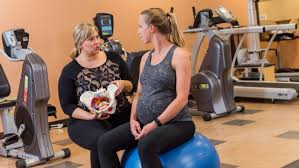
Pelvic Health Physical Therapy | Brooks Rehabilitation
Women’s health pt addresses the musculoskeletal and pelvic issues common to women. Unlike general physical therapy, it focuses on the complex architecture of the pelvic floor, core, hips, and spine. Specialized therapists utilize manual techniques, biofeedback, therapeutic exercises, and education to restore function, reduce pain,n and prevent problems before they develop. If you’ve ever been told to stop complaining about bladder leaks, pelvic pressure, or lingering postpartum discomfort, Women’s Health PT gives you compassionate, te expert care.
This comprehensive article walks through women’s health pt in depth—actionable strategies supported by current literature and practical use cases. We’ll delve into the anatomy you need to know, custom-tailor your recovery strategies, and leave confident that prioritizing health is in reach.
What’s Women’s Health PT?
Women’s health PTs are specialized physical therapists (PTs) who specialize in women’s pleasure and pelvic health. It assesses, diagnoses, and manages conditions involving the pelvic floor muscles, bladder, bowel, uterus,s and surrounding structures. These therapists receive advanced training beyond conventional physical therapy credentials, often obtaining pelvic health certifications from groups such as the American Physical Therapy Association.
At its heart, women’s health is based on the idea that women’s bodies go through some unique changes — via menstruation, pregnancy, childbirth, breastfeeding, and menopause — that affect the pelvic floor in specific ways. The pelvic floor is the hammock-like group of muscles, ligaments, and tissues that support not just pelvic organs, but also control bladder and bowel function as well as contribute to sexual health and core stability.
Women’s health PT therapists take a holistic approach. Therapies can also include manual therapy techniques with or without visual feedback, ultrasound imaging of optimal muscle recruitment practice, biofeedback devices that measure activity from the muscles being trained, electrical stimulation, and a tailored exercise program. Treatments are always individualized — whether you’re a young athlete with hip pain or a new mom recovering from a C-section.
Women’s Health PT focuses on both prevention and rehabilitation, which is what makes it stand out. Many women don’t understand that subtle signs, like occasional leaks or lower back pain, indicate pelvic floor dysfunction. This means that with the guidance of women’s health pt, these conditions could potentially be avoided before progressing into chronic issues, as many forms of chronic pain do. Clinics frequently work with OB-GYNs, urogynecologists, and colorectal specialists to provide multidisciplinary care.
Long story short, women’s health pt is about helping you gain confidence and function back in your body and celebrating all the amazing things it can do for you. It’s not one-size-fits-all—it’s personalized empowerment.
Why Women’s Health PT Matters: Key Statistics and Realities
The numbers don’t lie: Pelvic floor disorders impact millions of women around the world. Research indicates that at least 32% of adult women have at least one pelvic floor disorder, with urinary incontinence, fecal incontinence, or pelvic organ prolapse being the most common. One in three women will have a pelvic floor problem in her lifetime, and one in four women over 20 suffers from symptoms such as urine leaks.
These statistics point to a hidden epidemic. But many women suffer in silence because they’re too embarrassed or because they believe the symptoms are “normal” after giving birth or with age. Women’s health pt includes you in that narrative. Research shows that a more focused pelvic floor therapy can lead to bladder control improvement in 70–80 percent of cases and significantly decreased pain during penetration or other activities of daily living.
The load on the pelvic floor during pregnancy and postpartum is through the roof. Hormonal shifts loosen ligaments, and a growing baby adds pressure — in many cases, resulting in diastasis recti (abdominal separation) or pelvic organ prolapse. Then post-menopause, at lower levels of estrogen, tissue starts to weaken further, leading to increased risk for falls related to osteoporosis and incontinence.”
Women’s health pt confronts these vulnerabilities of the life stage. It eliminates surgery, which has a re-operation risk of 30% or more, and enhances quality-of-life measurements encompassing sleep, intimacy, and exercise tolerance. Addressing women’s range of health issues isn’t an expense; this is preventive medicine that pays off in time, money, and emotional energy.
Common Conditions Treated by Women’s Health PT
Womens health pt excels at treating a wide array of conditions. Here’s a breakdown of the most frequent ones:
- Urinary Incontinence: Stress, urge, or mixed types. Women’s health pt retrains the pelvic floor to handle coughs, sneezes, or sudden urges without leaks.
- Pelvic Organ Prolapse: When the bladder, uterus, or rectum descends due to weakened support. Therapy strengthens muscles and teaches proper body mechanics.
- Pelvic Pain and Tension: Including endometriosis-related pain, interstitial cystitis, or vaginismus. Manual release techniques and relaxation exercises provide relief.
- Sexual Dysfunction: Pain during intercourse (dyspareunia) or reduced sensation. Women’s health pt improves blood flow, muscle coordination, and confidence.
- Bowel Issues: Chronic constipation, fecal incontinence, or IBS overlap. Biofeedback helps coordinate pelvic floor relaxation and contraction.
- Pregnancy and Postpartum Challenges: Back/hip pain, diastasis recti, C-section scar restrictions, and perineal trauma.
- Menopause Symptoms: Joint instability, bone density concerns, and hormonal shifts affecting pelvic stability.
- Post-Surgical Recovery: After hysterectomy, prolapse repair, or breast cancer procedures involving lymphedema.
Each condition benefits from individualized plans. For instance, a woman with prolapse might focus on postural education and progressive strengthening, while someone with pain prioritizes gentle manual therapy first.
Women’s health pt also supports fibromyalgia, osteoporosis, and chronic lower back pain, unique to women. The goal? Restore function without medication dependency where possible. Women’s Health PT During Pregnancy: Preparing for a Stronger Journey.
“Pregnancy puts huge demands on a woman’s body from the very first trimester, and women’s health is paramount.” They evaluate posture, core stability, and pelvic floor function to address common problems, including sciatica, round ligament pain,n or pubic symphysis dysfunction.
Safe exercises include diaphragmatic breathing to build coordination between the core and pelvic floor, gentle bridges for glute activation, and side-lying hip abductions for stability. These build endurance for labor while reducing strain.
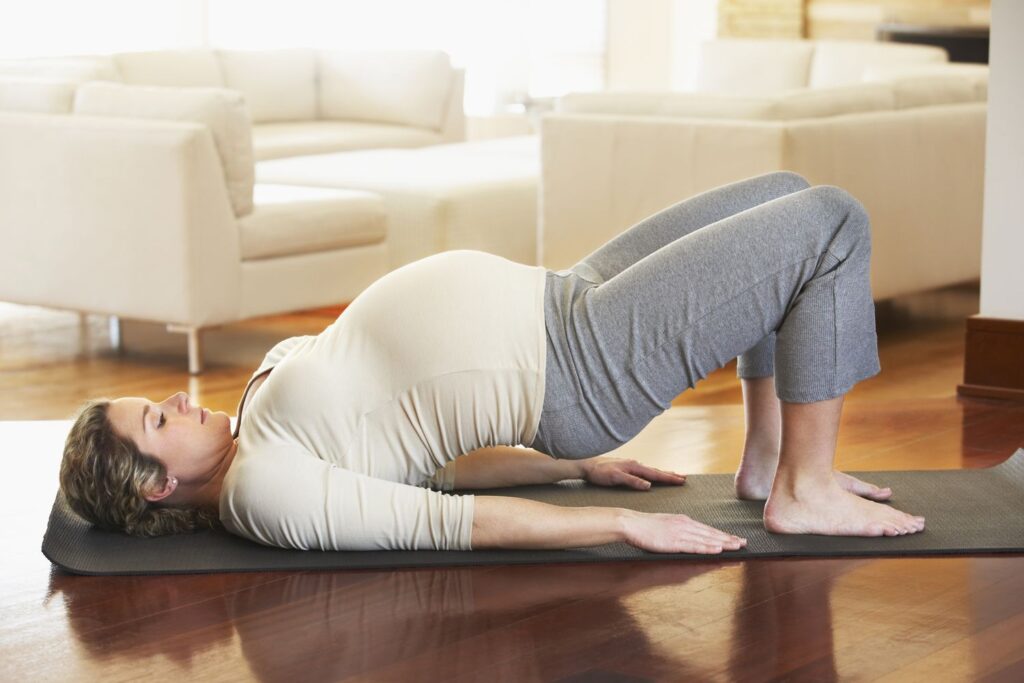
Best Pelvic Floor Exercises for Pregnant People
A major focus is learning to relax the pelvic floor — especially important for delivery. If muscles are over-tight, this can make labor more difficult, so women’s health PT teaches “down-training” as well as strengthening. Prenatal sessions also address breastfeeding posture and baby-carrying ergonomics to avoid neck/shoulder strain.
The benefits include shorter labor, less risk of tearing during birth, and rapid initial postpartum recovery. Some programs include birth ball exercises, education about perineal massage, and partner support.
So, if you’re pregnant — or trying to become so — beginning women’s health pt early (even preconception!) establishes a solid groundwork. Always have your OB-GYN sign off.
Postpartum Recovery with Women’s Health PT
Women’s health pt particularly shines in the fourth trimester. After a vaginal or C-section birth, the pelvic floor and core require healing time. Many women will experience leaks, heaviness, or a separation of the rectus abdominis, but traditional check-ups so often miss these.
The pt for women’s health starts softly (usually 2 to 6 weeks postpartum based on healing) via breathwork, soft Kegels, and scar mobilization. These steps lead to functional movements such as squats while using pelvic floor engagement, which helps you rebuild your strength for lifting your baby or returning to fitness.
Transverse abdominis activation and progressive core loading help diastasis recti recovery. Ultrasound or palpation are safe methods for therapists to monitor closure. Visceral mobilization for mothers C section: it decreases adhesions.
Real results? Less incontinence, improved posture, and revived intimacy. Many of the programs allow for baby-inclusive exercises, making recovery family-friendly.
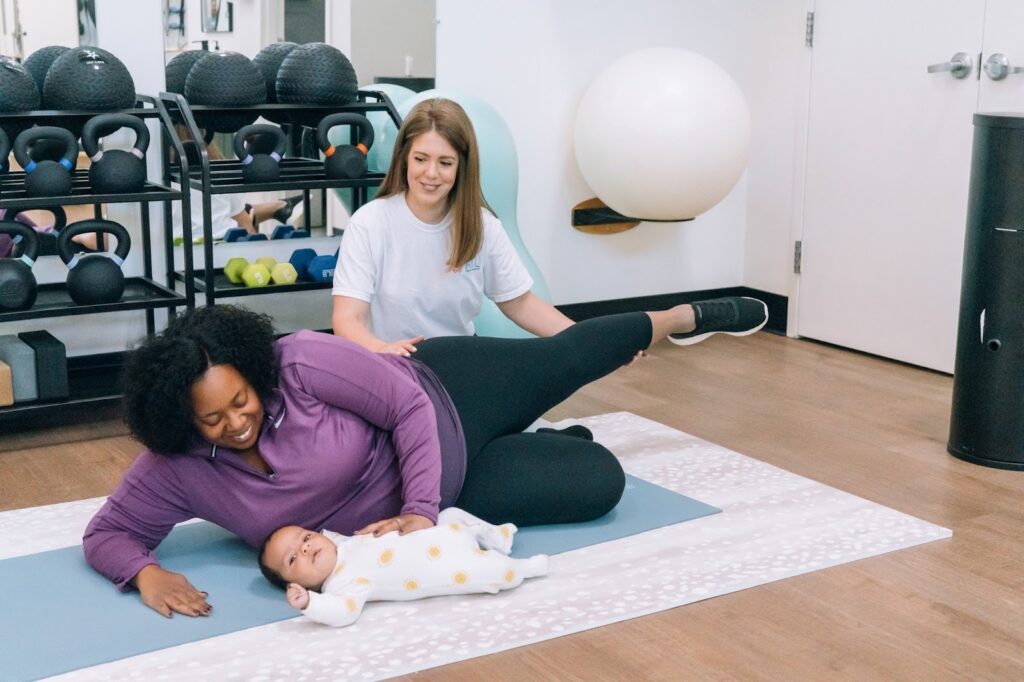
Atlanta Pelvic Floor Physical Therapy — ATL Pelvic Floor Health
Don’t wait for symptoms to worsen—women’s health pt accelerates healing and prevents long-term issues.
Pelvic Floor Exercises You Can Do at Home (Guided by Women’s Health PT Principles)
Women’s health pt emphasizes proper form over intensity. Here are beginner-to-intermediate exercises (consult a therapist first):
- Diaphragmatic Breathing: Lie on your back, hand on your belly. Inhale to expand the belly and pelvic floor; exhale to gently lift. 10 reps, 3x/day. Coordinates the entire core.
- Kegel Variations: Quick squeezes (8x) and long holds (up to 10 seconds, 8x). Imagine stopping urine flow or lifting a tampon. Relax fully between reps.
- Bridges: Lie with knees bent. Exhale, lift hips while engaging pelvic floor. Hold 5-10 seconds. Builds glutes and core synergy.
- Bird-Dog: On all fours, extend opposite arm/leg while maintaining neutral spine and pelvic floor lift. Great for stability.
- Squats with Pelvic Floor Cue: Stand, squat down while relaxing pelvic floor on descent; engage on rise. Mimics daily movements.
Progress slowly. Women’s health PT therapists add biofeedback or weights for advanced levels. Consistency beats perfection—aim for 10-15 minutes daily.
Women’s Health PT for Menopause and Beyond
Menopause brings estrogen decline, weakening pelvic tissue,s and increasing joint laxity. Women’s health pt counters this with bone-loading exercises, balance training to prevent falls, and pelvic floor maintenance for continence.
Therapists address “genitourinary syndrome of menopause” symptoms like vaginal dryness impacting intimacy through gentle stretching and education on lubricants or dilators. Osteoporosis management includes safe weight-bearing routines.
Long-term, women’s health pt supports active aging—keeping you hiking, playing with grandkids, or traveling pain-free.
What to Expect in a Women’s Health PT Session
First visit: Detailed history, posture assessment, and (with consent) internal exam using a gloved finger or sensor. No pain—it’s informative. Follow-ups: 45-60 minutes of hands-on work, exercises, and home program updates. Many use private rooms with specialized tables.
Sessions feel empowering, not intimidating.
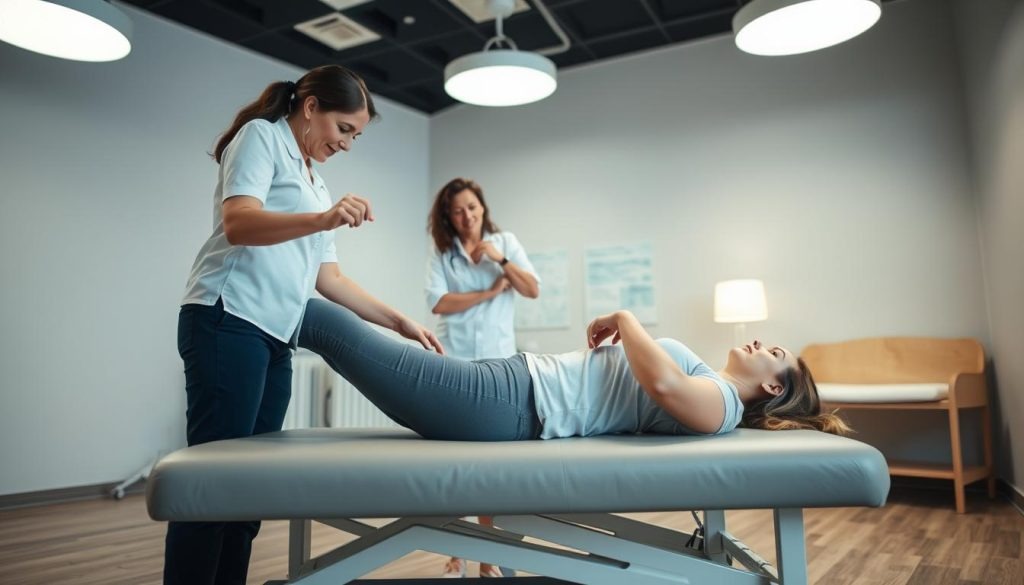
How Physical Therapy Helps Treat Urinary Incontinence in Women
Benefits of Women’s Health PT
- Improved bladder/bowel control
- Reduced pain and better intimacy
- Faster pregnancy/postpartum recovery
- Enhanced core strength and posture
- Greater confidence and quality of life
Success stories abound: Women who once avoided exercise now run marathons; new moms return to work energized.
How to Find a Qualified Women’s Health PT Specialist
Look for PTs with pelvic health certifications (e.g., CAPP-Pelvic). Search directories from APTA Pelvic Health or ask your doctor. Telehealth options expand access. Insurance often covers it—check benefits.
FAQs About Women’s Health PT
Q: Women’s health pt only for postpartum women?
A: No—it’s for all ages and stages.
Q: Does it hurt?
A: Gentle and progressive; discomfort is communicated.
Q: How many sessions?
A: Typically 6-12, depending on goals.
Q: Can I do it if I’ve never had kids?
A: Absolutely—preventive care is powerful.
Conclusion: Take the First Step with Women’s Health PT
Women’s health pt is more than treatment—it’s a lifelong investment in your vitality. From anatomy education to exercise mastery, it equips you to thrive. Don’t wait for symptoms; schedule an evaluation today. Your body will thank you.