

Health tips are more important to men than ever before. Men often prioritize work, family and responsibility at their own expense, which leads to an inordinate amount of time and increased risks for heart disease due to stress-related issues of other sorts than those experienced by women. Consequently, health tips for men should be taken not tamely but seriously. This comprehensive health guide for men covers everything from exercise and nutrition to sexual wellness, preventive screenings, and age-specific variables. Whether you are in your 20s building a base, or heading into the second half of life with greater responsibilities, these practical evidence-based health tips for men can help you take charge.
Armed with these health tips for men, expensive health club memberships and extreme diets are not necessary. Simple and consistent alterations, such as 30 minutes of movement every day or pushing for full horizon-to-horizon sleep, bring about changes that can transform your spirit as well as your frame. We’ll break it down section by section with concrete steps, science-based explanations, and real-world examples. By the end of this, on health tips for men you’ll have a tailor-made roadmap that is all your own, right down to the very last step.
Why Men Need Dedicated Health Tips
Men encounter unique health challenges. After the age of 30, testosterone levels naturally drop off, affecting muscle mass, energy, and mood. Prostate issues surge after 50, heart disease hits prematurely compared to women, and mental health stigma often stops men seeking help. These health for men preventatives meet head-on an undeniable new reality. So consistent research indicates that by adopting such proactive habits, men can decrease their likelihood of suffering from chronic diseases by up to 40%. The point is not to be perfect, but to make steady progress. Begin small, tally your wins and work up from there.
1. Physical Fitness: Build Strength, Endurance, and Longevity
One of the most effective health tips for men is committing to regular exercise. Physical activity strengthens the heart, boosts testosterone, improves mood through endorphins, and helps maintain a healthy weight. Aim for a mix of cardiovascular exercise, strength training, and flexibility work.
Cardio for heart health: Get at least 150 minutes of moderate cardio weekly—brisk walking, jogging, cycling, or swimming. High-intensity interval training (HIIT) is especially powerful for men because it efficiently burns fat and improves VO2 max. A 2024 meta-analysis found HIIT reduces blood pressure more effectively than steady-state cardio in middle-aged men.
Strength training to combat age-related muscle loss: Lift weights or do bodyweight exercises (push-ups, squats, deadlifts) 3-4 times per week. Focus on compound movements that engage multiple muscle groups. Men over 40 should prioritize progressive overload to preserve bone density and metabolism. Research from the Journal of Strength and Conditioning shows resistance training can increase testosterone by 15-20% in the short term.
Flexibility and mobility: Don’t skip stretching or yoga. Tight hips and shoulders from desk jobs lead to back pain and poor posture. Incorporate 10-15 minutes of dynamic stretching daily or full yoga sessions twice weekly. This prevents injuries and keeps you active into your later years.
Sample weekly routine for busy men:
- Monday: Upper body strength (bench press, rows, shoulder press) – 45 minutes
- Tuesday: 30-minute HIIT run or bike
- Wednesday: Lower body (squats, lunges, calf raises)
- Thursday: Active recovery – walk or light yoga
- Friday: Full-body circuit
- Weekend: Sports like basketball or hiking for fun and social connection
Setting Over Goals Using a Fitness App Track your Gym C oscism: spinning one day isn’t failure, but missing two weeks i yet another. Pair exercise with proper form to avoid injury. For the first month, any beginner might consider hiring a trainer. Training & Fitness.com 5 Those fitness health tips for men not only give you more muscle strength, but also enhance your spirit, sleep quality, and performance in bed. Men who exercise steadily receive 25% higher energy levels and much greater endurance to face daily pressures.

2. Nutrition: Fuel Your Body with the Right Foods
Nutrition is the cornerstone of health tips for men. Your diet directly impacts testosterone, energy, inflammation, and disease risk. Focus on whole foods that support male physiology: high-quality protein for muscle repair, healthy fats for hormone production, and fiber-rich carbs for sustained energy.
Key nutrients every man needs:
- Protein: 1.6-2.2 grams per kilogram of body weight daily. Sources: lean meats, fish, eggs, Greek yogurt, legumes. Protein helps preserve muscle as you age.
- Omega-3 fatty acids: Found in salmon, walnuts, and flaxseeds. They reduce inflammation and support heart and brain health. Aim for 2-3 servings of fatty fish weekly.
- Zinc and Vitamin D: Critical for testosterone and immunity. Oysters, beef, pumpkin seeds for zinc; sunlight or fortified foods/supplements for Vitamin D (many men are deficient).
- Magnesium: Supports sleep and muscle recovery. Leafy greens, almonds, dark chocolate.
Foods to eat daily:
- Vegetables (at least 5 servings): Broccoli, spinach, and tomatoes for antioxidants and prostate protection.
- Fruits: Berries, apples, and bananas for fiber and vitamins.
- Whole grains: Oats, quinoa, brown rice for steady blood sugar.
- Healthy fats: Avocados, olive oil, nuts.
Foods to limit:
- Processed meats and sugary drinks (linked to higher cancer risk).
- Excessive alcohol (more than 2 drinks/day raises blood pressure.
- Trans fats and ultra-processed snacks.
Meal ideas for busy men:
- Breakfast: Oatmeal with berries, nuts, and a scoop of protein powder.
- Lunch: Grilled chicken salad with mixed greens, avocado, olive oil dressing.
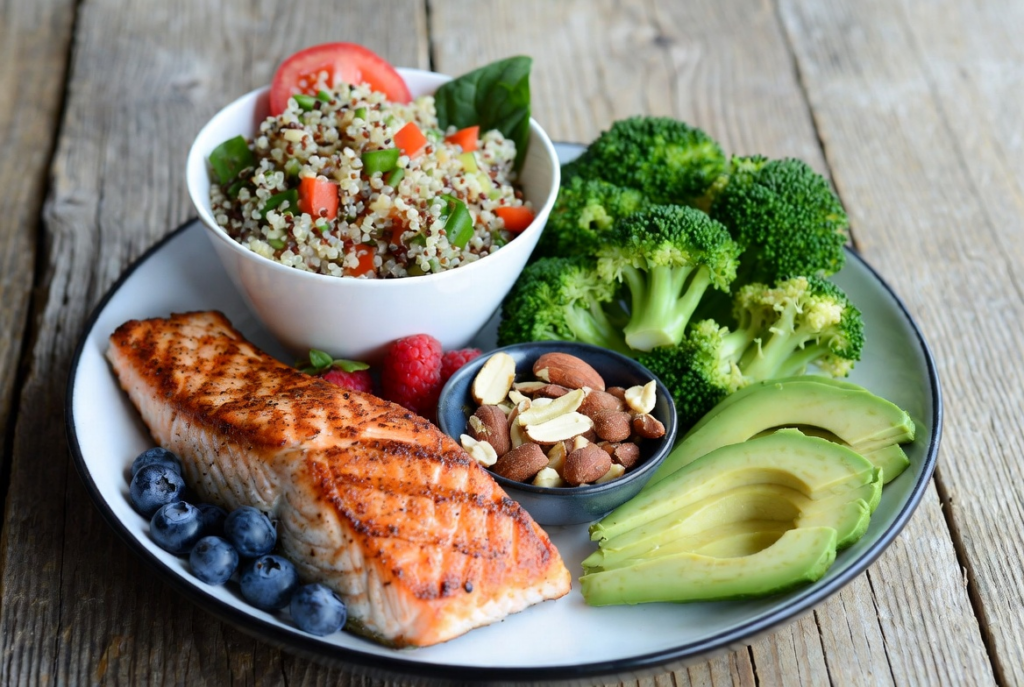
- Dinner: Baked salmon, quinoa, and steamed broccoli.
- Snacks: Greek yogurt with honey or apple with almond butter.
Hydration does matter; you’d better drink at least 3 to 4 litres of water per day! Dehydration affects concentration and, consequently, the effectiveness of workouts. Think about using a macro tracker application during the first 30 days to improve your form.
If one’s diet can lower cholesterol by 20 to 30%, erectile function will improve, and the risk of type 2 diabetes will decrease. In a study of Mediterranean diet followers, their risk of heart disease decreases by 30%.
3. Mental Health: Break the Stigma and Build Resilience
Mental health is often overlooked in health tips for men, yet depression and anxiety affect millions. Societal pressure to “man up” leads to bottling emotions, resulting in higher suicide rates. Prioritizing mental wellness is non-negotiable.
Daily practices:
- Mindfulness or meditation: 10 minutes daily via apps like Headspace reduces stress hormones by 30%.
- Talk therapy or counseling: Cognitive behavioral therapy (CBT) is highly effective for men dealing with work stress or relationship issues.
- Hobbies and social connections: Join a sports league, book club, or men’s group. Strong friendships lower the risk.
- Limit screen time: Excessive social media use correlates with higher anxiety. Set boundaries.
Signs it’s time to seek help: Persistent fatigue, irritability, loss of interest in activities, or thoughts of self-harm. Remember, seeking help is a strength, not a weakness.
Exercise and nutrition directly support mental health by boosting serotonin and dopamine. Getting outdoors in nature (forest bathing) has proven benefits for mood regulation. These health tips for men create a foundation for emotional stability, better relationships, and career success.
4. Sexual Health and Reproductive Wellness
Sexual health is a key but sensitive part of health tips for men. Maintaining healthy testosterone, blood flow, and communication keeps intimacy fulfilling.
Preventive steps:
- Regular exercise and a healthy weight support erectile function.
- Quit smoking and limit alcohol to protect vascular health.
- Annual check for testosterone levels after 40.
- Practice safe sex and get screened for STIs.
Boosting natural libido: Adequate sleep, stress management, and zinc-rich foods help. Kegel exercises strengthen pelvic floor muscles for better control and performance.
Open communication with partners prevents misunderstandings. If issues arise (ED, low desire), consult a doctor—often treatable with lifestyle changes before medication. These health tips for men enhance confidence and relationship satisfaction.
5. Sleep Optimization: The Ultimate Recovery Tool
Poor sleep undermines every other health tips for men. Aim for 7-9 hours nightly. Sleep regulates hormones, repairs muscles, and clears brain toxins.
Tips for better sleep:
- Consistent bedtime routine: No screens 1 hour before bed.
- Cool, dark bedroom (65°F/18°C ideal).
- Avoid caffeine after 2 PM and heavy meals before bed.
- Magnesium or herbal tea (chamomile) as natural aids.
Track sleep with a wearable. Quality rest improves focus, fat loss, and immunity dramatically.
6. Preventive Healthcare and Regular Screenings
Don’t wait for symptoms—the best health tips for men are proactive checkups. Visit your doctor annually.
Key screenings by age:
- 20s-30s: Blood pressure, cholesterol, BMI.
- 40s+: Prostate-specific antigen (PSA) test, colonoscopy starting at 45, heart disease risk assessment.
- 50s+: Bone density if family history of osteoporosis, diabetes screening.
Vaccinations (flu, COVID, shingles) and skin checks for cancer are essential. Early detection saves lives. Discuss family history with your physician.

7. Lifestyle Habits to Avoid or Minimize
Smoking damages nearly every organ—quit with support if needed. Limit alcohol to 1-2 drinks max. Manage stress to avoid cortisol spikes that promote belly fat. These adjustments amplify all other health tips for men.
8. Age-Specific Health Tips for Men
20s: Build habits—focus on strength training, career balance, and mental health foundations.
30s: Prioritize family time, monitor work stress, and maintain testosterone through diet and sleep.
40s: Heart health focus, flexibility work, prostate awareness.
50s+: Bone and joint care, balance exercises to prevent falls, social engagement to fight isolation.
Adapt these health tips for men to your stage for lifelong vitality.
9. Supplements: Smart Choices, Not Magic Pills
Whole foods first, but consider:
- Multivitamins if the diet lacks variety.
- Vitamin D (if deficient).
- Omega-3 fish oil.
- Creatine for strength training.
Consult a doctor before starting—supplements support, not replace, lifestyle.
Conclusion: Take Action on These Health Tips for Men Today
These health tips for men comprise a complete system of living stronger, longer, and happier. Making just a change or two this week – a daily walk, better meal prep, or scheduling an annual check-up. Thirty days later note how much energy you have, your mood is better than ever before, and renewed confidence! Please send this guide to friends and family.
This article on health tips for men is for information purposes, not to replace personalized medical advice. For personal concerns, consult a health care provider. Health is the greatest wealth you have invested in it consistently.