
In 2026 — a year defined by hybrid work, always-on digital connectivity, and increasing standards for productivity — the requirement of prioritizing personal health is even more paramount for employees. Sedentary desk jobs, screen-filled routines, and growing work stress have created a recipe for back pain, eye strain, burnout, poor sleep,p and deteriorating mental well-being. By introducing easy, consistent daily health tips to employees, es you can have a huge effect on energy, concentration, job satisfaction, and long-term health metrics.
This ultimate guide provides evidence-based and actionable daily health tips for employees for office, remote, mobile, and hybrid workers. Using trusted sources, from the Mayo Clinic’s recommendations, through ergonomic best practices to highlight workplace wellness trends 202,6 focusing on a holistic, personalized, and preventive approach, these tips will help you craft sustainable routines matching busy lifestyles.
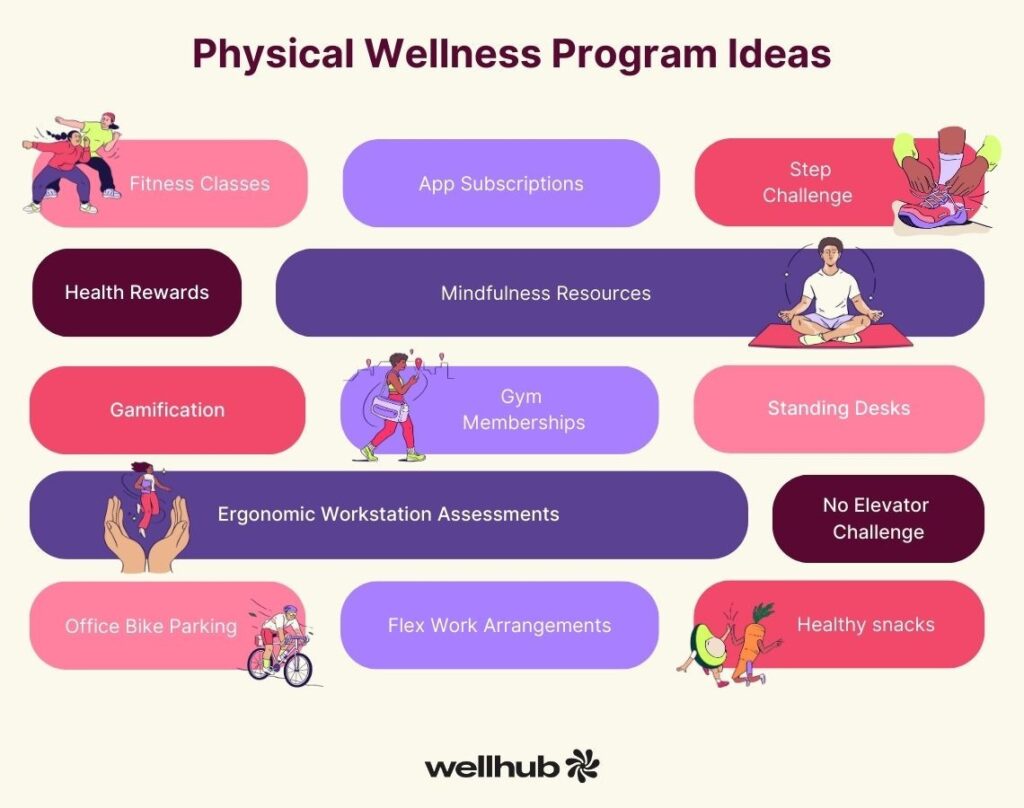
Physical Wellness in the Workplace: Boost Health, Engagement, and ROI
Start Your Day Right: Morning Routines That Set a Healthy Tone
The first 30–60 minutes after waking heavily influence your entire day. Skipping breakfast or jumping straight into emails often leads to energy crashes and poor food choices later.
- Hydrate instantaneously — Immediately consume 500 ml (2 glasses) of water. Overnight dehydration suppresses concentration and mood. Squeeze in some lemon for taste and vitamin C.
- Have a balanced breakfast — Protein (eggs, Greek yogurt, nuts), complex carbs (oats, whole-grain toast), a nd fruits/veggies. This steadies blood sugar and averts mid-morning crashes.
- Add 5–10 minutes of movement — Gentle yoga, stretching, ng or a short walk to get your blood circulating and release endorphins. In 2026 trends, quick outsize bursts of realistic exercise are integrated into mornings.
These morning daily health tips for employees build momentum and prevent the fatigue many desk workers experience by 10 a.m.
Master Hydration: The Easiest Yet Most Overlooked Daily Habit
Dehydration causes headaches, reduced cognitive function, and fatigue—issues amplified in air-conditioned offices or during long Zoom calls.
- Aim for 2.5–3.5 liters daily (adjust for climate, activity, and body size).
- Keep a visible water bottle on your desk and set phone reminders every hour.
- Infuse water with cucumber, mint, or fruit slices to make it enjoyable.
- Track intake with apps that gamify hydration—popular in modern wellness ecosystems.
Proper hydration ranks among the top daily health tips for employees because it directly improves alertness and prevents afternoon energy dips.
4 Ways to Improve Your Workplace Ergonomics
Ergonomics & Posture: Protect Your Back, Neck, and Shoulders Every Day
Poor posture is a leading cause of musculoskeletal pain among desk workers. Mayo Clinic and ergonomic experts emphasize prevention through daily adjustments.
- Chair setup — Sit with your feet flat on the floor (or footrest) in front of you, knees at a 90-degree angle, hips slightly higher than your knees, and lumbar support for the curve of your lower back.
- Monitor position — At eye level at the top of the screen, arm’s length away to prevent craning neck.
- Case#1 — Keyboard & mouse — Elbows at 90°, wrists neutral (not bent up/down).
- Posture checks, daily — Roll shoulders back and down; sit up straight; reset alignment every hour.
Implement the 20-20-20 rule for eyes, too: every 20 minutes, look 20 feet away for 20 seconds to reduce strain.
These ergonomic daily health tips for employees prevent chronic issues like repetitive strain injuries and improve comfort during long work hours.
Movement Breaks: Combat Sedentary Risks Hour by Hour
Sitting for 8+ hours increases risks of heart disease, diabetes, and mental fatigue—even if you exercise outside work. Mayo Clinic advocates “activity snacks” and breaking sedentary time.
- Follow the 30-20-8 (or similar) equation: Sit for 20–30 minutes, then stand/walk for eight minutes and stretch/move for two.
- Every 30–60 minutes: stand, walk for water, desk stretches (neck rolls, shoulder shrugs, seated spinal twists).
- Whenever possible, use standing desks or convertible setups.
- Go for walking meetings or walk during phone calls.
Short bursts of movement—endorsed in 2026 wellness trends—boost circulation, mood, and productivity without disrupting workflow.
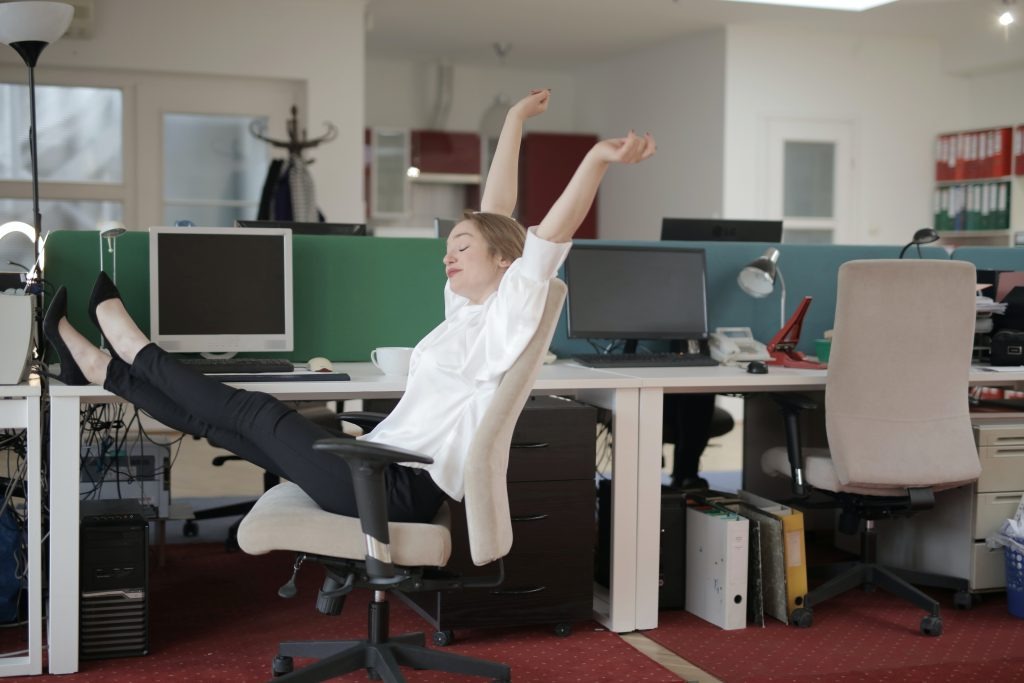
Stretching: Mini-Breaks for the Desk-Bound
Nutrition During Work Hours: Fuel Focus Without Energy Crashes
Desk workers often rely on vending machines or skip lunch, leading to poor choices.
- Pack or choose balanced lunches — Veggies, lean protein, whole grains, healthy fats (e.g., salad with chicken, quinoa bowl).
- Healthy snacks — Nuts, fruit, yogurt, carrot sticks—every 3–4 hours to maintain blood sugar.
- Limit caffeine & sugar — After 2 p.m., switch to herbal tea to protect sleep.
- Mindful eating — Step away from your screen; eat slowly to improve digestion.
Nutrition guidance fits busy schedules and is a preventive focus in current workplace trends.
Mental Health & Stress Management: Daily Practices for Resilience
With nearly half of employees reporting daily stress in recent surveys, mental well-being is non-negotiable in 2026.
- Practice 2–5 minutes of deep breathing or mindfulness (e.g., 4-7-8 technique) multiple times daily.
- Use gratitude journaling or quick appreciation moments.
- Set boundaries: define work end times and disconnect notifications.
- Short meditation apps or breathing exercises during breaks reduce strain.
Preventive mental health tools like these are rising priorities for employee support.
Screen & Eye Care: Protect Vision in a Digital World
Prolonged screen time causes digital eye strain (dry eyes, headaches, blurred vision).
- Apply the 20-20-20 rule religiously.
- Adjust screen brightness, use blue-light filters, and position to minimize glare.
- Blink more consciously; use artificial tears if needed.
- Get regular eye check-ups.
These simple adjustments make a huge difference in daily comfort.
Sleep Hygiene: The Foundation of Daily Performance
Aim for 7–9 hours nightly. Poor sleep amplifies all other health issues.
- Consistent schedule—even on weekends.
- Wind-down routine: no screens 1 hour before bed.
- Cool, dark bedroom environment.
Quality sleep enhances focus, mood, and recovery from daily demands.
Social Connection & Appreciation: Boost Emotional Wellness
Isolation in hybrid setups harms well-being.
- Schedule quick check-ins with colleagues.
- Express thanks daily.
- Participate in team wellness activities.
Social elements strengthen resilience and job satisfaction.
Evening Wind-Down: Prepare for Tomorrow’s Success
End your day intentionally to recharge.
- Light dinner 2–3 hours before bed.
- Gentle evening walk or stretch.
- Reflect on wins and plan tomorrow lightly.
Consistent evenings improve sleep quality and morning readiness.
Why These Daily Health Tips for Employees Matter in 2026
As trends indicate wellness has become a strategic priority, businesses play with holistic programs, personalization, preventive mental/physical (support), and flexible designs to increase engagement and retention. Little daily habits lead to big benefits — less absenteeism, better productivity, lower burnout.
Start with 2–4 of them and build, hydration, or taking breaks,s or posture. Track progress weekly. Daily health tips for employees have a compounding effect over time and give you ongoing benefits to feel energized, focused, and balanced in the midst of modern work demands.
Recommended Post: